
DER

Six Key Initiatives: Making Utility Digital Upgrades Truly Serve Customers
When utilities advance customer interaction digitalization, poor experiences often result from unclear data and fragmented systems. Andreya Shaak, Senior Vice President of Product Strategy, and Christina Schueneman, Senior Vice President of Implementation and Services at VertexOne, propose six key areas and improvement methods, including upfront goal definition, ecosystem collaboration, data readiness, human-centered design, feedback loops, and phased rollout, accompanied by real-world success cases.
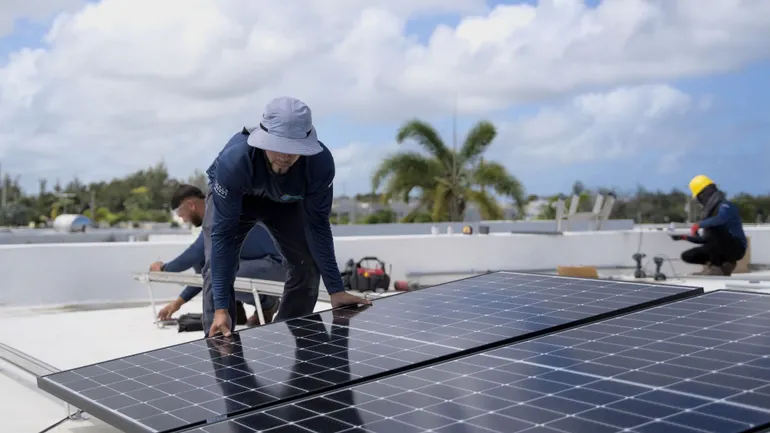
Three Major Home Energy Providers to Offer 16.8 GW of Distributed Capacity to Utilities and Hyperscale Customers
Sunrun, Tesla, and Renew Home announced on Wednesday that they will jointly provide 16.8 GW of distributed energy capacity to help utilities and hyperscale data centers address grid congestion and power supply speed challenges. The collaboration covers 9 million U.S. households and 12 million devices, with key markets including Texas, California, and Virginia.
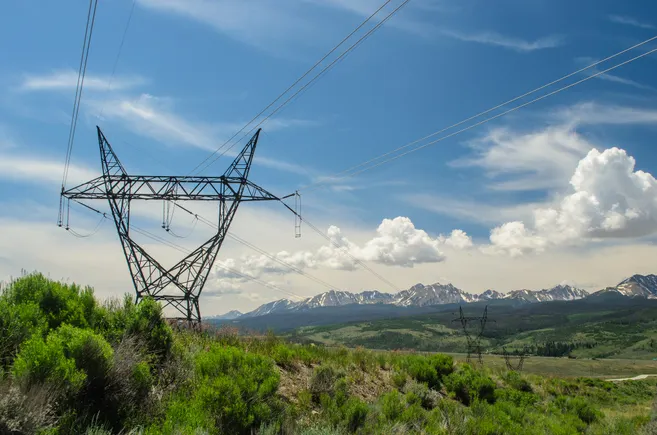
Platte River Partners with EnergyHub to Deploy 39 MW Virtual Power Plant in Colorado
Colorado public power utility Platte River Power Authority announced a partnership with EnergyHub to design and deploy a virtual power plant (VPP), targeting 39 MW of dispatchable capacity by 2030 (19 MW from customer distributed energy resources plus 20 MW from battery storage). The first program focuses on smart thermostats and is scheduled to launch in late summer, with electric vehicle charging management to follow.

Performance Contracts and On-Site Power Generation Can Help K-12 Districts Ease Rising Energy Costs
Louis Maltezos, co-president of energy infrastructure company Ameresco, noted that K-12 school districts can address rising energy costs through energy performance contracts and on-site power generation. According to data from the U.S. Department of Energy, school districts spend nearly $8 billion annually on energy, making it the second-largest expense after teacher salaries. With rising electricity prices and increasing data center loads, school districts face budget pressures, but energy efficiency measures and performance contracts can help mitigate the impact.

In wildfire-prone areas, every household should become a microgrid node
The United States is facing a severe wildfire season, and traditional underground cable solutions are costly and time-consuming. This article argues that household and community microgrids can ensure power supply more quickly and economically, citing practical cases from Colorado, Oregon, Texas, and elsewhere, and calls on regulators to reassess investment priorities.

Arizona Residential Pool Pumps: A Potential Tool to Save Millions in Customer and Infrastructure Costs
Demand response and virtual power plants are becoming key tools to address load growth in the United States. In Arizona, if approximately 505,000 residential pool pumps were shifted to midday solar peak operation through rate incentives, they could create 820 megawatts of load-shifting capacity in the APS and SRP areas, equivalent to a power plant. This would save customers $83 million annually in electricity costs and avoid $66 million to $164 million in capacity costs.
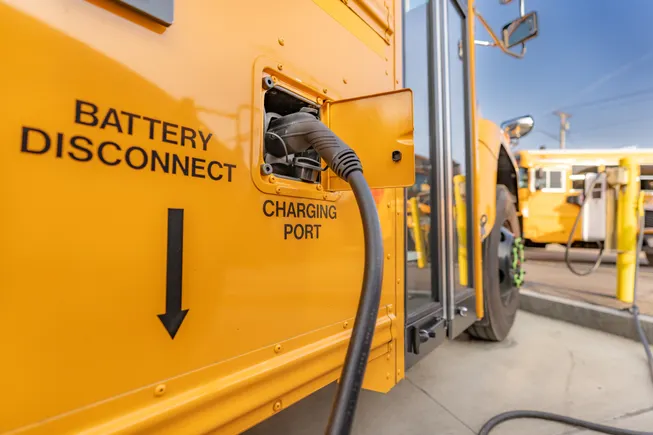
Massachusetts 'Vehicle-to-Everything' Demonstration Project Reveals Grid Potential of Electric Vehicle Batteries
The Massachusetts Clean Energy Center (MassCEC) is advancing a two-year 'Vehicle-to-Everything' (V2X) demonstration project, deploying bidirectional electric vehicle chargers free of charge to eligible residential, municipal, and school customers. The project aims to assess the potential of electric vehicle batteries for backup power, self-consumption, and demand response. Currently, 4 municipal entities, 5 school districts, and over 45 residents are participating, with an expected installation of 70 to 80 chargers by the end of summer. Early data shows promising prospects for electric school buses in grid support and revenue generation, with some vehicles earning up to $12,000 annually through participation in demand response.
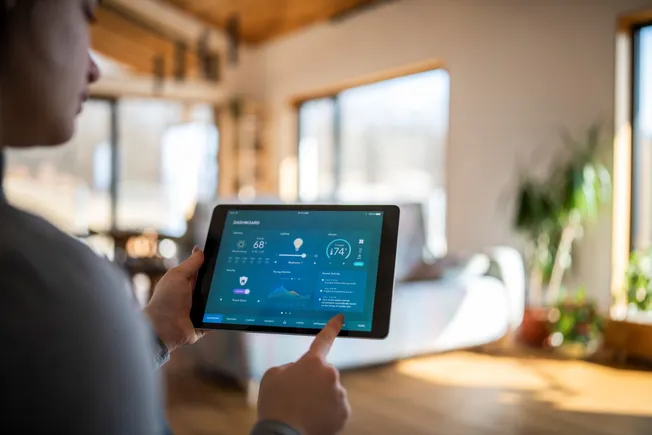
Real-time electricity usage data should be a basic consumer right
As U.S. electricity demand grows rapidly and electricity price increases outpace inflation, households are being asked to adjust their electricity usage behavior but lack the tools to view real-time usage data. The author argues that real-time electricity usage data should be a basic consumer right and recommends that regulators mandate utilities to provide visualization tools, standardized data sharing, and direct device connectivity.
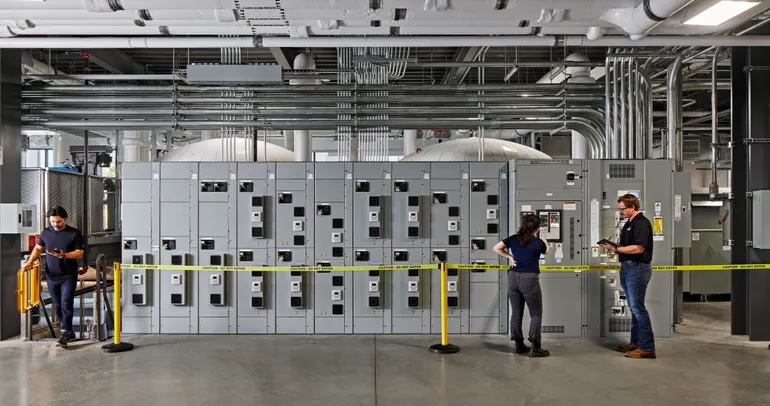
How Utilities Can Compress Expansion Cycles from Years to Months
Commercial buildings account for 35% of total U.S. energy consumption, and their flexible load has long been underutilized. Platforms like Edo, through standardized integration and AI pre-configuration, enable buildings to automatically respond to dispatch signals, forming virtual power plant capacity within months. This article analyzes technological breakthroughs, business models, and procurement strategies.
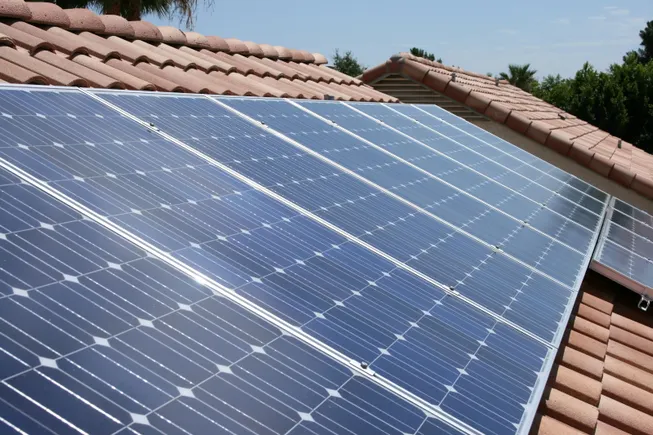
Report: New Mexico Leads Nation in Distributed Energy Interconnection Policies
According to the latest Freeing the Grid report by Vote Solar and IREC, New Mexico is the only state in the nation to earn an A grade, thanks to its comprehensive interconnection best practices, storage frameworks, and transparency. The report notes that most states still suffer from interconnection inefficiencies, with over 80% of states scoring a C or lower.