
Load Management
Santee Cooper partners with Google in shift toward AI-driven forecasting
Santee Cooper announced on Thursday a partnership with Google to drive its financial planning and load forecasting toward an AI-driven transformation. The utility's Chief Financial Officer, Tami Wilson, stated in a Wednesday conference call that Google's WeatherNext 2 model is expected to significantly improve load forecasting, while the Gemini enterprise agent platform will accelerate the financial forecasting process. Wilson emphasized that this "major digital transformation" aims to move away from traditional cumbersome processes, but accountability and risk management remain under human control.

Stakeholders square off over proposed DOE appliance program changes
The U.S. Department of Energy (DOE) proposed a rule in July to revise the processes for setting and testing appliance energy efficiency standards, aiming to "permanently end mandatory requirements for appliances and equipment." Fifteen industry groups, including manufacturers and appliance trade associations, generally supported the proposal in joint comments submitted on August 21, arguing that converting procedural rules into binding documents would enhance the process's "robustness, transparency, and predictability," but recommended that actions to relax established standards should not be applied retroactively. Energy efficiency advocacy groups opposed fixed energy savings thresholds, arguing that they would abandon the incremental savings envisioned by the Energy Policy and Conservation Act, and contended that procedural rules should remain guidance rather than binding. The comment period ended on August 21.

PacifiCorp Proposed Settlement: California Energy Efficiency Programs to Be Suspended, User Rates Reduced by 0.7%
PacifiCorp filed documents with the California Public Utilities Commission on Friday, agreeing to terminate all its ratepayer-funded energy efficiency programs in California in exchange for a 0.7% reduction in user rates. The company had attempted to retain and redesign the programs but ultimately reached a settlement with the CPUC's Public Advocates Office, agreeing to phase them out by January 1, 2026.

What makes a customer portal work for employees? These 4 essentials.
Utility portals are not just customer self-service platforms; they can also become employee support systems. The article proposes four key capabilities: an accurate view of CIS data, true automation, consistent cross-channel processes, and shared views with guidance tools, citing VertexOne experts and the KUA case to illustrate their value.
ERCOT aims to complete Texas governor’s data center audit by December
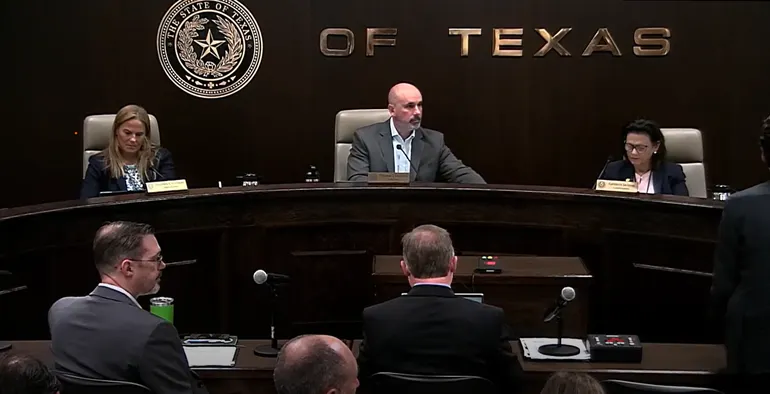
Officials at Texas grid operator ERCOT said they plan to complete an audit of about 300 large data center proposals by December 10, in response to Governor Greg Abbott's moratorium. Audit delays could affect planning efforts such as the state's long-term load forecast and reliability assessments.
Texas Peak Demand Hits Record, Yet Supply Bottlenecks Cap Future Growth
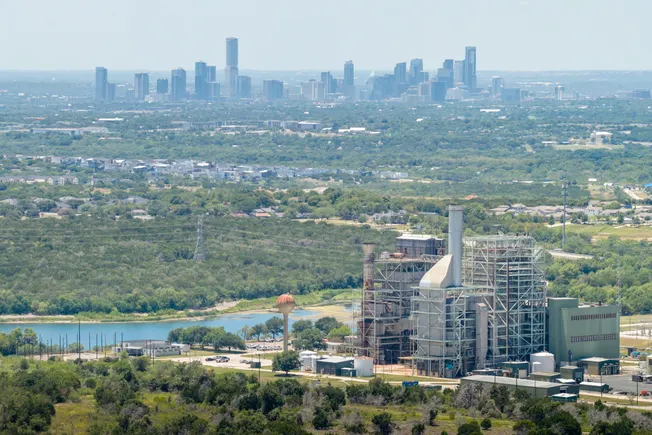
Texas grid operator ERCOT saw a new unofficial all-time peak demand on July 22, but a market report from Ascend Analytics warns that supply constraints—including gas turbine shortages and interconnection bottlenecks—will limit growth to 120 GW by 2030, far below ERCOT's own forecasts. The report highlights challenges in financing new dispatchable generation and storage under the energy-only market.

Evergy signs 3 GW large load agreements, plans over 5 GW of generation capacity
Evergy executives said on Thursday's second-quarter earnings call that the company has signed 2.5 GW of power service agreements with data centers under its large load power supply tariff, plus an additional 500 MW of smaller large load agreements not covered by that tariff. The company plans to build over 5 GW of generation capacity by 2032, including 3.9 GW of natural gas, nearly 800 MW of solar, and 450 MW of battery storage.

How PG&E Expanded Home Energy Reports into Broad Energy Savings and Bill Reduction Tools
Home Energy Reports (HERs) have been used as a utility energy-saving strategy for over 15 years. PG&E Senior Manager Michael Burger shared how the company expanded the program starting in 2019 to cover approximately 3.2 million households, developing behavioral tools such as a continuous energy feedback platform, bill forecast alerts, and peak day alerts, while also exploring support for electrification education.
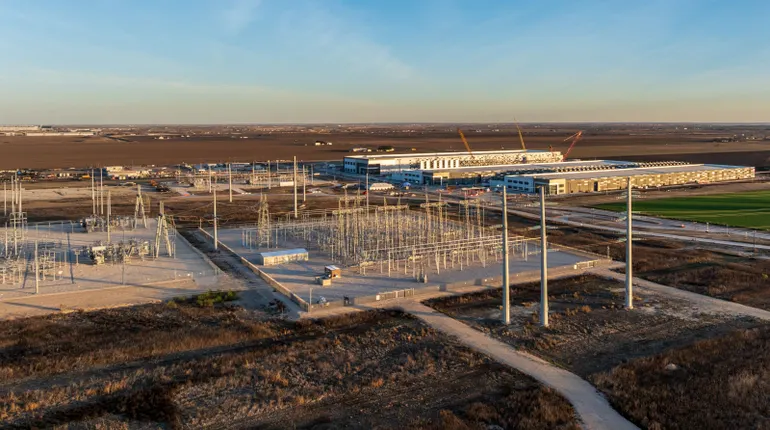
Texas Approves Co-location of AI Data Center with Wind Farm, with Load Curtailment Conditions
Last week, the Texas Public Utility Commission approved a net metering arrangement allowing a 260 MW AI data center to co-locate with a wind farm of roughly equivalent capacity, but denied the developer's request for exemption from load curtailment requirements. The decision requires the data center to curtail its full load within 30 minutes during grid emergencies and prohibits it from participating in paid demand response. This case is seen as one of the first major tests of Texas's SB 6 law and may set a precedent for future co-location projects.