
DER
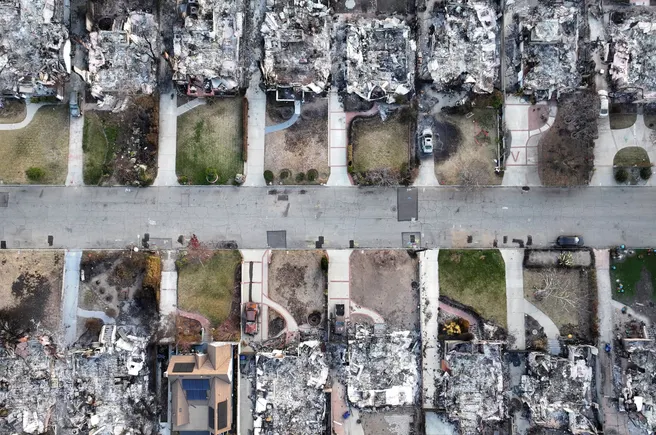
Wildfire costs loom over California legislative session that passed solar, data center bills
California's legislature recently concluded its session, passing several energy bills including the legalization of balcony solar panels and a data center rate study. However, lawmakers rejected Governor Newsom's proposal to limit utility wildfire liability, causing PG&E and Edison International stocks to drop sharply. The subsequent handling of Senate Bill 492 (SB 492) and insurance recovery issues have become the focus of market attention.
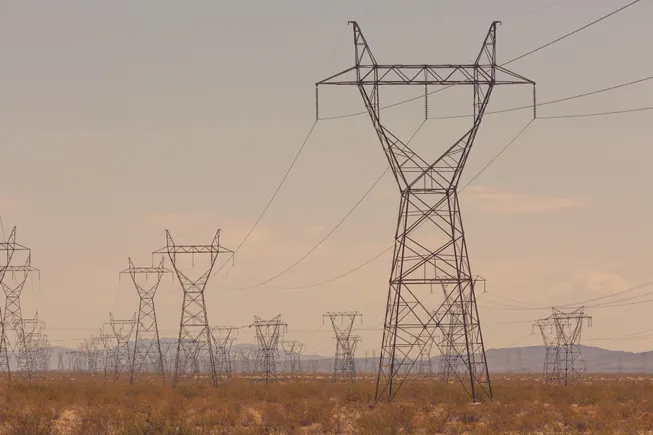
Nevada ‘misses an opportunity’ in performance-based DER tariffs: advocate
The Nevada Public Utilities Commission approved NV Energy to launch two performance-based distributed energy resource credit programs on August 11, but did not allow third-party aggregators to participate, sparking industry controversy. Supporters argue that this move limits customer choice and the development of virtual power plants, while NV Energy responded that the proceeding was not the appropriate venue to determine the aggregator role.
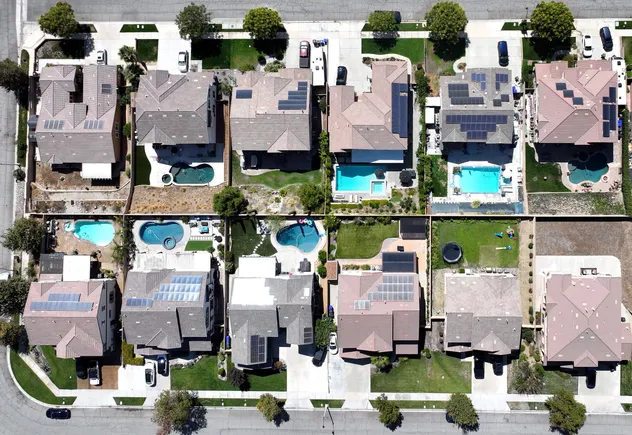
VPP value proposition expands to affordability, reliability and resilience
During a Regulatory Assistance Project webinar, experts discussed how virtual power plants (VPPs) are expanding their value proposition to include affordability, reliability, and resilience. Speakers from RMI, Sunrun, National Grid, and Xcel Energy shared insights on program design, customer participation, and emerging models like vehicle-to-grid integration.
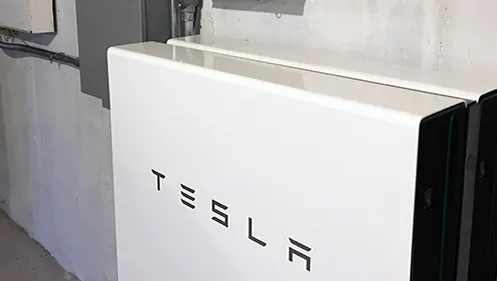
Pay-as-you-go batteries: ‘One weird trick’ for the distribution grid?
About a decade ago, home backup power options were limited and costly. Today, battery subscription models have emerged, allowing users to access energy storage devices with low barriers and pay monthly. Utility Dive's survey shows that this model is developing rapidly in places like Texas and Illinois, potentially easing grid pressure, but its economic viability depends on market rules and virtual power plant policies.
Sunrun pursues direct-sales transition amid industry headwinds
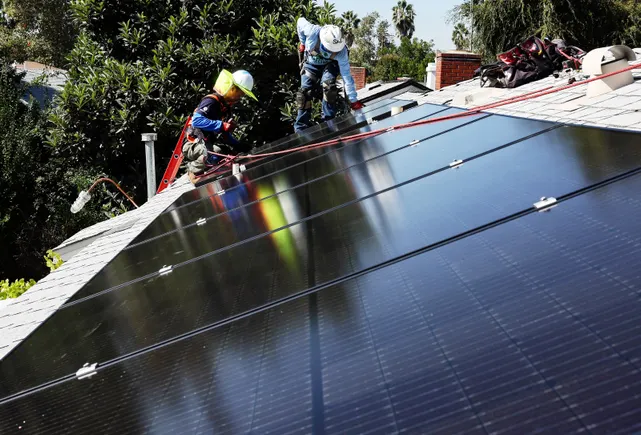
Sunrun added 19,793 subscribers in Q2, down 31% year-over-year; solar installations were 174 MW, down 23% year-over-year. The battery attachment rate rose to 74%. The company lowered its full-year 2026 guidance for cash generation and total subscriber value, primarily due to the pain of the direct sales transition, Freedom Forever's bankruptcy, and high interest rates. Management stated that monthly sales in the direct sales business returned to positive growth in June and July.
California DER wholesale market participation could grow 2+ GW from CAISO ‘accounting change’: advocate
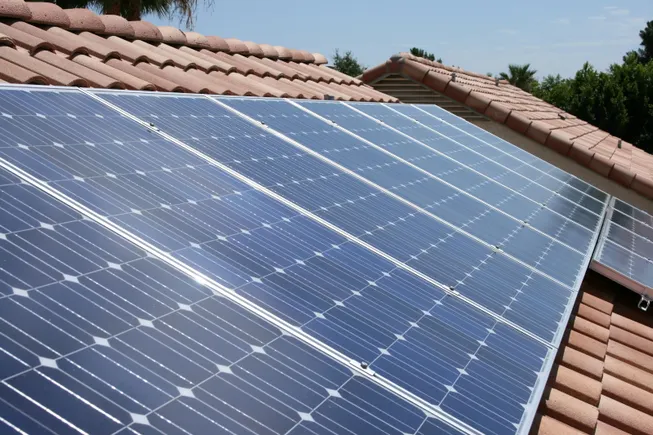
The California Independent System Operator (CAISO) is expected to release a revised demand response framework on August 19, in which a "small metering adjustment" could significantly reshape California's battery market landscape. According to Brian Turner, Western Regulatory Affairs Lead at the Advanced Energy Union (AEU), the adjustment could incentivize over 2 GW of behind-the-meter distributed energy resources to participate in CAISO's wholesale market. The proposal treats distributed energy resource aggregators as independent resources, allowing them to export power to CAISO load zones before net load reaches zero, thereby opening a wholesale market value stream for resources such as behind-the-meter batteries.
Battery-eligible New Jersey VPP program begins to take shape
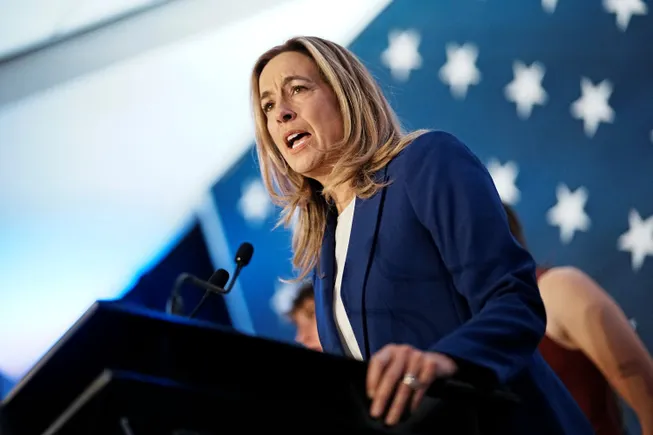
The New Jersey Board of Public Utilities (BPU) released a draft virtual power plant (VPP) program on July 15, specifying that customer-side energy storage devices can participate in a two-year technology-neutral project managed by distribution companies, with plans to transition to an open-access VPP tariff mechanism by 2029. The draft responds to Governor Mikie Sherrill's executive order and seeks public comments until August 17.
Best Buy adds more solar generation to portfolio
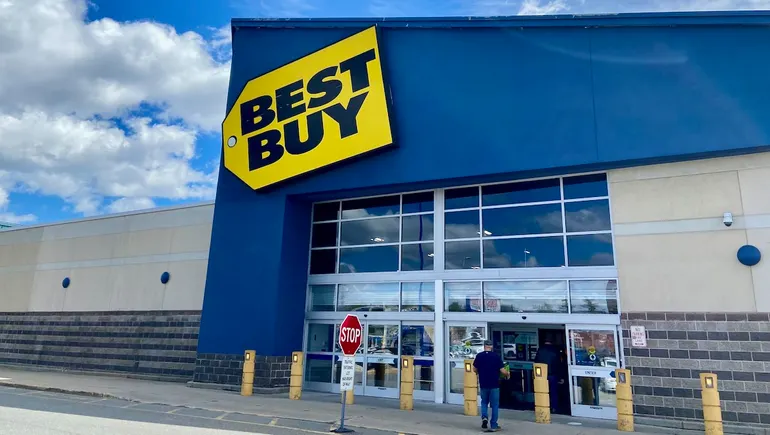
Best Buy announced the installation of rooftop community solar gardens at its Long Island City store in New York and the activation of a solar field near its Dinuba, California distribution center, further expanding its renewable energy footprint. These projects are expected to generate substantial annual electricity, helping the company achieve its 2040 net-zero emissions target and its 2030 goal of reducing emissions by 75%.
We don’t need more proof that flexibility works. We need more people using it.
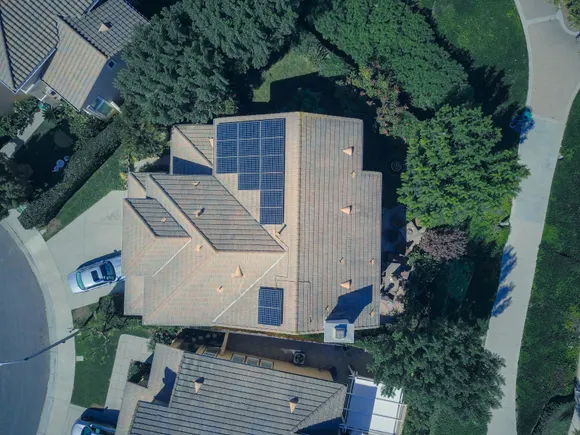
Demand flexibility technology has been proven viable, but the new challenge facing the industry is converting pilot results into scaled customer participation. Many current projects still operate in a pilot mode, with customer experience becoming a growth bottleneck. The article points out that front-end details such as registration processes and ongoing engagement will determine whether flexibility projects can deliver planable capacity, citing Octopus Energy as an example of the value of a customer-first strategy.
Acceleration of U.S. Home Energy Storage: Lessons from Australia's Rooftop Battery Boom
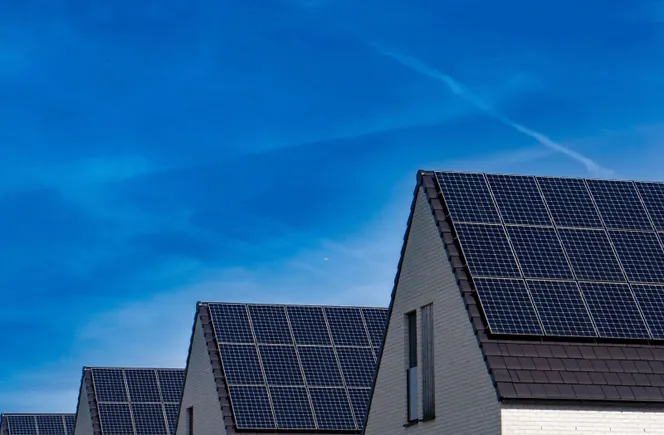
Australian resident Sam's electricity bill showed a credit balance of over 700 Australian dollars (about 500 US dollars), thanks to a flexible energy system comprising rooftop solar, home batteries, and an electric vehicle. Australia has the highest penetration of distributed energy in the world, with 40% of homes equipped with rooftop solar, totaling 28.3 gigawatts of installed capacity, exceeding the nation's coal-fired power capacity; nearly 5% of households have batteries, with over 400,000 new installations between July 2025 and June 2026. In the United States, residential solar coverage is about 9%, and battery installation rates are below 1%, with the main gaps being hardware costs and the lack of pricing mechanisms that value flexibility. Facing a surge in data center electricity demand over the next decade, the United States can learn from Australia's subsidy policies, virtual power plant rules, and rate design to integrate distributed energy into core grid planning.