
Grid Reliability
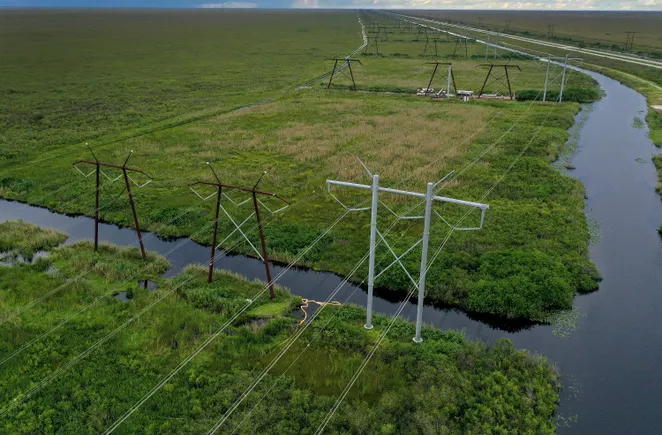
CISA scraps 6 free cybersecurity assessments for critical infrastructure operators
CISA has confirmed that its regional staff will no longer perform six cybersecurity assessment services, including cyber resilience reviews and ransomware readiness assessments. The decision was communicated at an internal meeting on August 25, coinciding with the agency having lost about one-third of its employees since the second Trump administration. CISA states the move aims to reduce redundancy and guide operators toward Cross-Sector Cybersecurity Performance Goals (CPGs), but former officials and industry experts question the effectiveness of the alternatives, fearing an overall increase in national cyber risk.
Federal authorities disrupt China-backed hacking operation targeting US critical infrastructure
The US Federal Bureau of Investigation and the Department of Justice announced the seizure of multiple domains linked to the Chinese government-backed hacking group QTFY, which is suspected of conducting espionage against US critical infrastructure and government agencies.
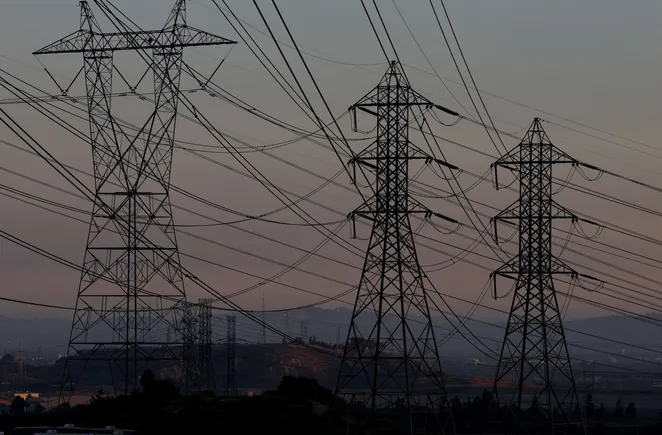
Western grid operators weigh overhaul of stability safeguards as south-to-north flows reshape market
Speakers at the Market Seams workshop hosted by CAISO and SPP on Tuesday highlighted a historic reversal in Western energy flows—now increasingly moving south to north—and called for systemic changes, including a re-evaluation of the WECC-1 Remedial Action Scheme, improved generation forecasts, and enhanced cross-seam data sharing to maintain grid stability.
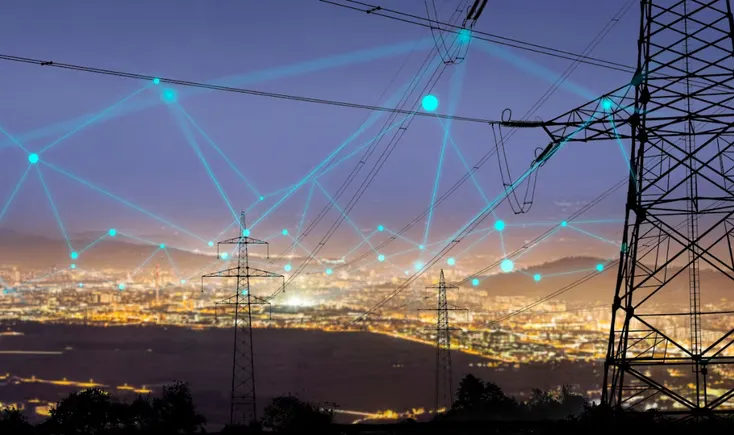
AI's Arrival Collides with North America's Grid at Its Most Strained Moment
The AI race is increasingly a race for grid capacity. With data centers, electrification, and manufacturing growth driving record load increases, utilities must navigate uncertainty and accelerate planning. This article examines how grid readiness, interconnection timelines, and flexible strategies will shape the next decade of energy infrastructure.

From Grid Hardening to Grid Intelligence: The Next Era of Wildfire Resilience
As wildfires rage across North America, utilities face scrutiny over early warning and response. The past decade's grid hardening—vegetation management, covered conductors, undergrounding—has hit economic limits. The next era leverages existing sensors and AI to pinpoint risk, enabling surgical shutoffs, risk-based crew deployment, and smarter undergrounding investments, all while complementing physical infrastructure.
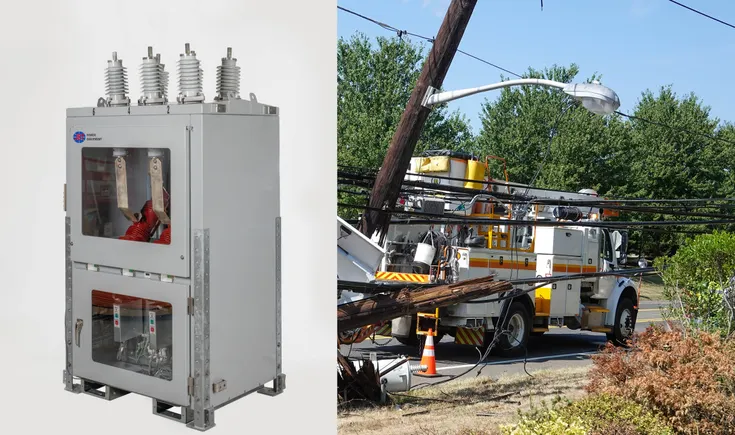
Building a More Resilient Power Distribution Network: Enhancing Reliability and Post-Disaster Recovery
This article explores how power companies address challenges from extreme weather and load growth through proactive resilience strategies, highlighting the roles of condition-based maintenance, system visualization, infrastructure modernization, and distribution automation in improving reliability and reducing restoration time.
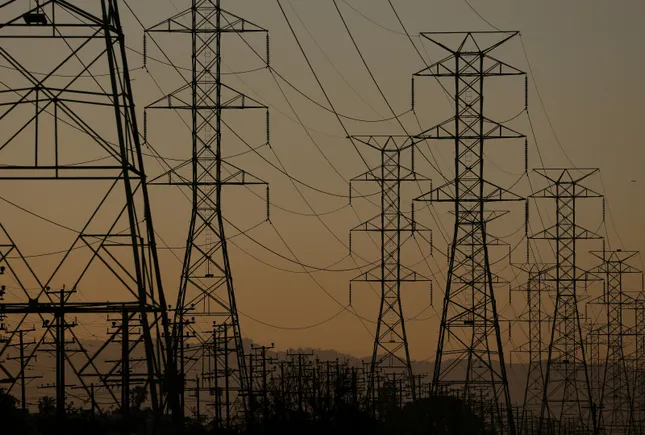
U.S. Critical Infrastructure Companies Form New Alliance to Fill Cybersecurity Coordination Gaps
U.S. critical infrastructure operators, having lost confidence in federal government support, established the Critical Infrastructure Alliance (ACI) in February 2025 with nine major companies to strengthen cross-industry cybersecurity collaboration and fill the gap left by government coordination. The alliance will focus on cross-industry dependency analysis, crisis response, information sharing, and policy recommendations, but faces challenges such as weakened federal partnerships.
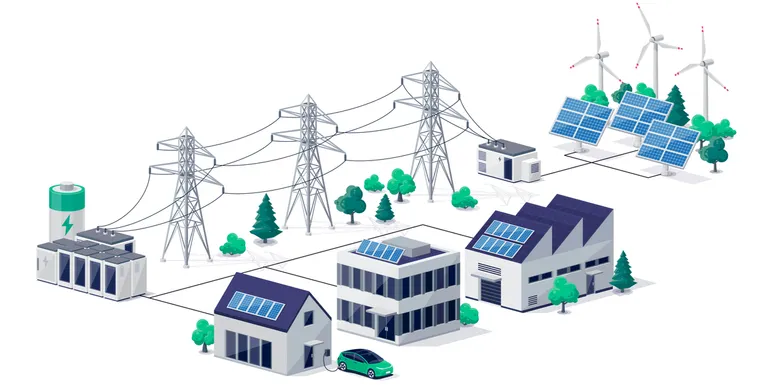
Customer-Owned DER Aggregators Challenge Xcel's Owned Batteries: The Minnesota Virtual Power Plant Model Debate
Xcel Energy's Capacity*Connect (C*C) pilot project filed in Minnesota, which plans to deploy up to 200 megawatts of behind-the-meter batteries, has drawn criticism from customer-owned distributed energy resource aggregators. The debate centers on cost-effectiveness, market competition, and resource control, while virtual power plant projects in other states demonstrate different models. Regulators are expected to make a decision by mid-2026.

2025 Data Center Cooling Technology Outlook: Two-Phase Liquid Cooling Goes Mainstream, Hybrid Cooling and Retrofit Markets Advance in Parallel
Data center electricity consumption is projected to account for 44% of U.S. electricity load growth by 2028 and 9% of national power supply by 2030, with cooling accounting for up to 40% of that consumption. In 2025, two-phase liquid cooling technology will move from pilot projects to large-scale implementation, hybrid cooling architectures will become the mainstream for new builds, the retrofit market for existing facilities will slowly heat up, and cold northern regions will gain more site selection favor due to their natural cooling advantages.
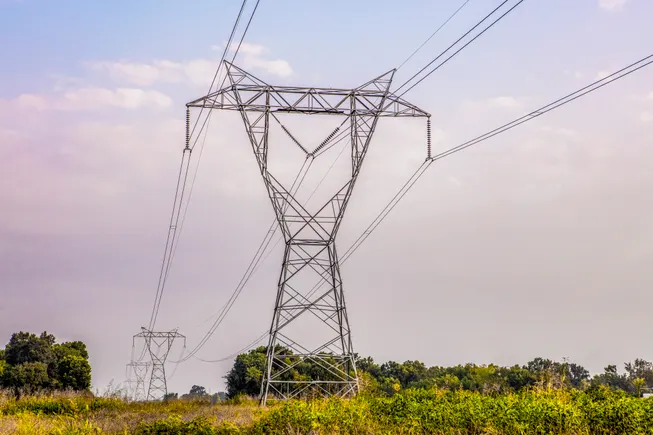
Texas working group plans to 'remove barriers' to expand virtual power plant pilot scale, addressing insufficient participation
The Electric Reliability Council of Texas (ERCOT) is considering doubling the size of its virtual power plant pilot project and adjusting multiple rules to break through the current participation bottleneck of only about 15 megawatts.