
Building a More Resilient Power Distribution Network: Enhancing Reliability and Post-Disaster Recovery
This article explores how power companies address challenges from extreme weather and load growth through proactive resilience strategies, highlighting the roles of condition-based maintenance, system visualization, infrastructure modernization, and distribution automation in improving reliability and reducing restoration time.
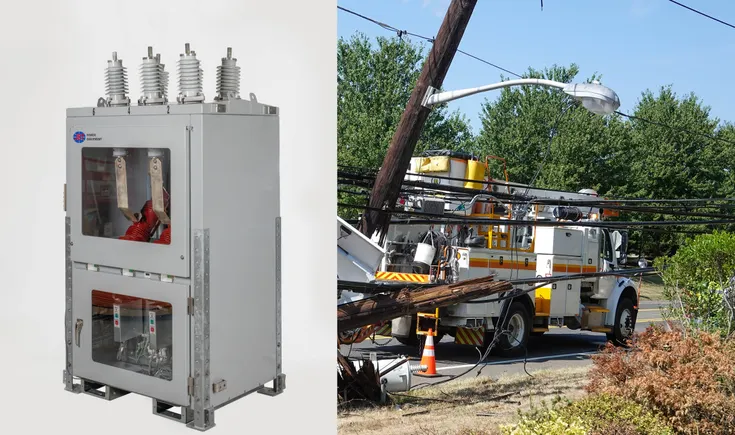
Reliability has always been a core mission for electric utilities, but its importance has now risen to unprecedented levels. Increasingly frequent extreme weather events, aging infrastructure, growing electricity demand, and rising customer expectations are placing enormous pressure on distribution networks. As a result, utilities are increasingly focusing on two interrelated priorities: strengthening system reliability and improving post-storm restoration capabilities.
The good news is that many utilities are achieving results through more proactive grid resilience strategies. Instead of merely reacting to outages, they are actively investing in technologies and solutions that can identify risks early, reduce outage durations, and accelerate restoration after faults occur.
As Matt Polk stated:
"System reliability and storm restoration have become defining challenges for distribution networks. Utilities are seeking solutions that help them identify weak points before faults occur, improve operational visibility, and reduce restoration times after major weather events. The most successful organizations are adopting proactive resilience strategies through enhanced monitoring, infrastructure modernization, and strategic asset management."
One of the most significant shifts in the industry is the move toward condition-based maintenance models. Advanced monitoring technologies enable utilities to assess the health of critical assets in real time, helping to identify potential issues before they lead to power interruptions. By addressing problems earlier, utilities can reduce unplanned outages, extend equipment life, and use maintenance resources more efficiently.
Greater system visibility is also helping utilities make more informed operational decisions. Data analytics and monitoring solutions provide valuable insights into asset performance, enabling utilities to prioritize investments, optimize maintenance schedules, and focus resources on the highest-risk areas of the network. This data-driven approach is becoming increasingly important as utilities strive to maximize reliability under budget constraints.
At the same time, many organizations are modernizing aging infrastructure to build a more resilient grid. Investments in upgraded transformers, automated switchgear, advanced protection systems, and other grid technologies are helping utilities cope with growing operational and environmental pressures. These improvements not only enhance day-to-day reliability but also strengthen the network's ability to recover after major weather events.
Storm restoration remains a critical area of focus. Even the most resilient systems can be affected by severe storms, making restoration speed and effectiveness key indicators of utility performance. To address this challenge, utilities are deploying technologies that improve fault detection and location capabilities, enabling operators to determine the source of outages more quickly and dispatch repair crews more precisely.
Distribution automation is also playing an increasingly important role in restoration efforts. Automatic switches and sectionalizing devices can isolate damaged sections of the grid while restoring power to unaffected customers, significantly reducing outage durations and limiting the overall impact of events.
Beyond technology investments, leading utilities are also strengthening emergency preparedness programs through improved crew mobilization, resource prepositioning, mutual assistance coordination, and real-time operational communications. These capabilities help organizations respond more efficiently and safely when severe weather strikes.
The common thread running through all these initiatives is the shift from reactive response to proactive resilience. Utilities are no longer just focusing on restoring power after outages; they are working to prevent outages where possible while ensuring faster recovery when interruptions do occur.
At JST Power Equipment, we support utilities in strengthening grid performance through solutions such as single-phase trip reclosers, which enhance asset reliability, improve system visibility, and support long-term resilience strategies. As the demands on distribution networks continue to evolve, those organizations that invest in reliability and storm preparedness today will be best positioned to deliver the dependable service customers expect in the future.