
Deep Dive
来自我们记者的行业洞察

California Pioneers New Path for Large-Scale Distributed Energy Grid Integration
On March 24, the California Public Utilities Commission approved the Limited Generation Profile (LGP) option, becoming the first state-level flexible grid interconnection practice in the nation, aimed at reducing grid upgrade costs for 1-5 megawatt distributed energy resources. States such as New York, Illinois, and Colorado are also advancing more flexible interconnection rules.
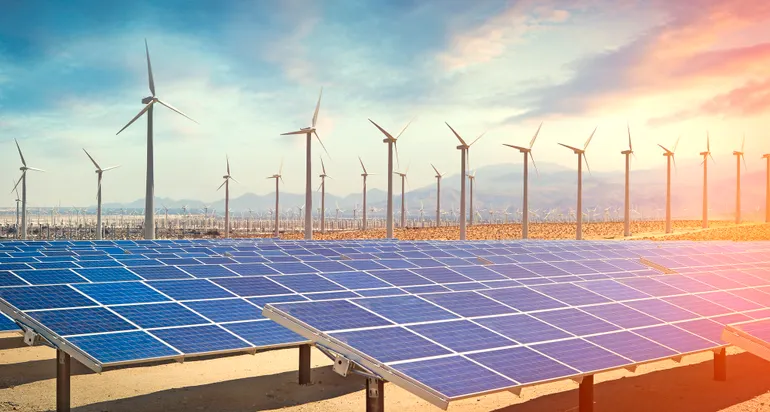
U.S. Clean Energy Grid Connection Backlog Reaches 2.5 Terawatts, Innovative Solutions Seek Breakthrough
The backlog of projects awaiting grid connection in the U.S. transmission system has exceeded 2.5 terawatts. Regions such as California, Texas, and the Southwest Power Pool are introducing innovative interconnection processes to address the backlog and meet growing load demand.

AI Empowers the Power Industry: Nvidia, IBM and Other Tech Giants Advance Applications, Regulatory and Data Privacy Challenges Remain
The power industry faces pressures from rapid load growth and the clean energy transition. Tech companies are applying AI to areas such as grid optimization and wildfire prevention. However, long regulatory approval cycles and limited data sharing mean that full-scale AI deployment at the distribution level will still take several years.
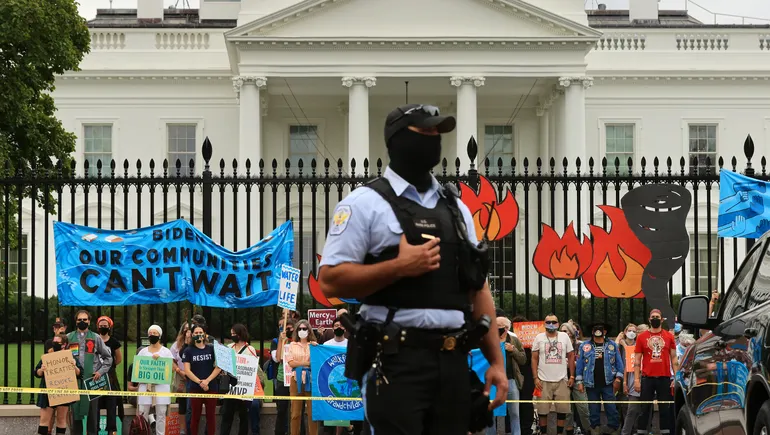
The Battle Over Energy Permitting Reform: Tensions Between Climate Goals and Environmental Justice Demands Intensify
As the Biden administration seeks to achieve a net-zero emissions economy in the United States by 2050 and deploy up to $1.6 trillion in climate and infrastructure funding, efforts to update permitting processes for renewable energy, transmission, and other projects are sparking intense debate, sometimes causing divisions among groups that are typically aligned on policy. Clean energy groups generally support streamlining permitting processes to accelerate deployment, but many environmental organizations oppose reforms that could benefit the fossil fuel industry or weaken the National Environmental Policy Act. This article synthesizes various viewpoints, analyzing core issues such as costs, delays, community engagement, and environmental justice behind the reform.
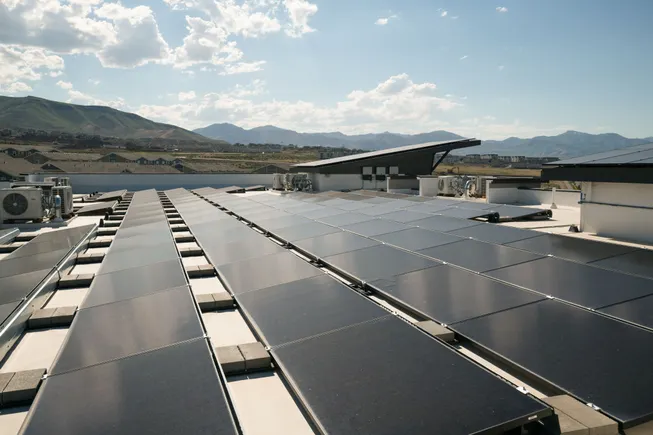
Analysts: Solving Three Key Challenges Can Unlock Multiple Benefits from Scaling Virtual Power Plants
Utility companies, suppliers, and analysts agree that by improving control technology, streamlining communication processes, and establishing attractive compensation mechanisms for users, virtual power plants (VPPs) can fully realize their potential. As of mid-2023, there were over 500 VPP projects in North America, with a total capacity of up to 60 gigawatts; the U.S. Department of Energy expects that by 2030, VPP flexible capacity could expand to 160 gigawatts, meeting nearly 20% of the projected 802-gigawatt peak load in the United States.
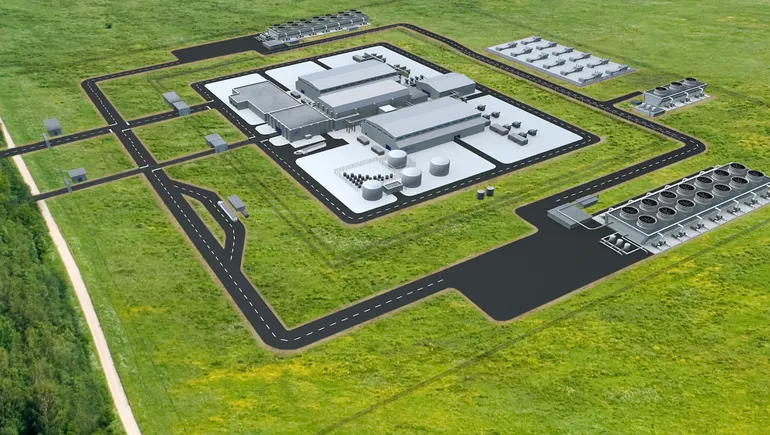
Advanced Nuclear Energy Deployment Accelerates: Wyoming, Virginia, and Michigan Lead the Nation
The development of advanced nuclear energy in the United States is extending from the federal level to state-level actions. Wyoming has taken the lead in paving the way for the TerraPower demonstration project, Michigan is funding the restart of Palisades, and Virginia is fostering an industrial ecosystem through occupational clusters and energy laboratories. State policy approaches vary, but they collectively face challenges related to cost, regulation, and talent.

Total solar eclipse may reduce US photovoltaic power generation by 40 GWh, how five major grid operators respond
On April 8, the US will experience a total solar eclipse, expected to impact photovoltaic power generation more than any previous eclipse. Solcast estimates maximum generation losses across the national grid could reach 39.9 GWh, with rooftop solar accounting for about 16.2 GWh. Five major grid operators—California ISO, ERCOT, PJM, New York ISO, and MISO—have developed response plans months in advance and stated that power supply reliability will not be affected. Natural gas, flexible load, and battery storage are expected to fill most of the gap.

Price-Based Demand Response Enters a New Phase, but Utilities and Regulators Still Need to Verify Its Potential
A November 2023 study by Lawrence Berkeley National Laboratory indicates that price-based demand response (PBDR), which changes user electricity consumption behavior through price signals, could become the most cost-effective planning option, but requires a comprehensive analysis of factors affecting participation rates and load reductions. Some utilities have begun leveraging aggregated distributed energy resources for optimized dispatch, but regulators and industry stakeholders still have doubts regarding reliability verification, transparency of planning assumptions, and evidence of cost-effectiveness.

California lawmakers adjust income-based utility fee stance, investor-owned utilities and others propose alternatives
California lawmakers are reconsidering the income-based fixed charge (IGFC) approved in 2022, which aims to reduce electricity bill burdens for low-income customers and electrification projects. AB 1999 proposes a more limited fixed charge but has not advanced. Parties disagree on fee amounts, income tiers, and alternatives, and regulators must make a final decision by July 1.
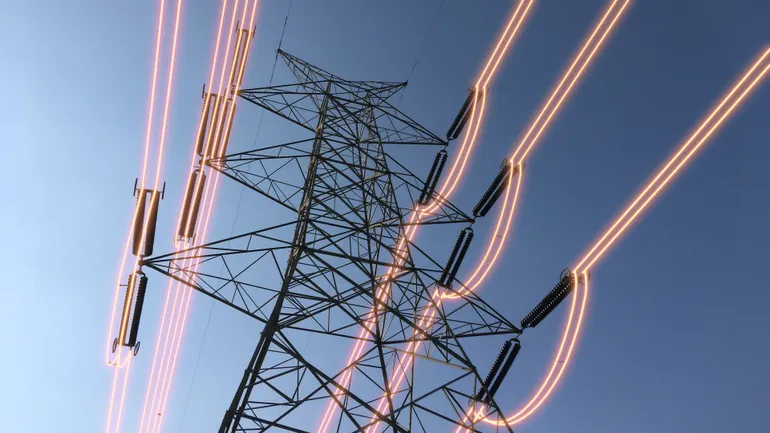
2024 PJM Outlook: Capacity Market, Unit Retirements, and Transmission Planning Face Difficult Choices
In 2024, PJM Interconnection faces core issues such as capacity market reform, generating unit retirements, and a paradigm shift in transmission planning. Stakeholders point out that these challenges are intertwined and need to be addressed holistically to ensure grid reliability and a smooth energy transition.