Deep Dive
来自我们记者的行业洞察
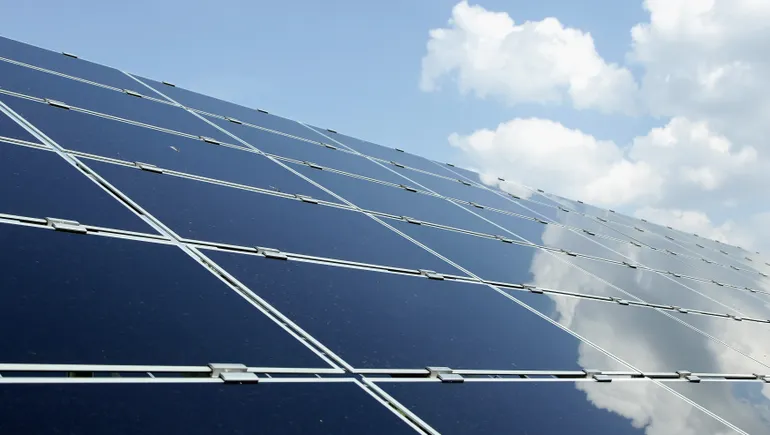
Stronger, Tougher, and More Diverse: A New Generation of Solar Technologies Accelerates
With U.S. solar investment and installations reaching new highs, a new generation of photovoltaic technologies is reshaping the energy landscape across multiple dimensions: n-type cells are expected to replace PERC as the mainstream, perovskite and tandem cells break through efficiency bottlenecks, floating photovoltaics expand deployment space, and recycling processes aim for a sustainable closed loop. This article synthesizes expert insights from institutions such as NREL, First Solar, and INL to outline the latest industry trends.
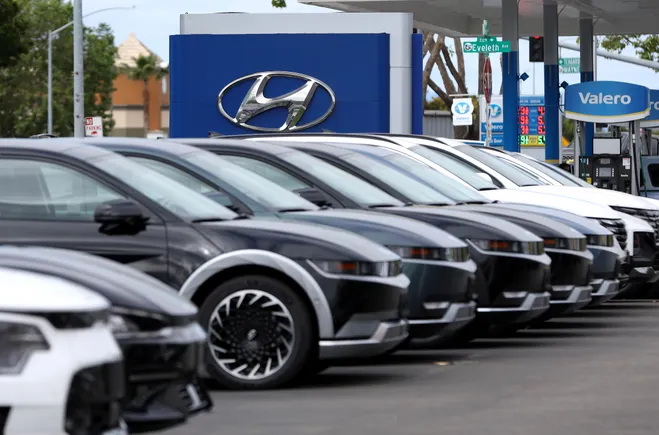
Electric vehicle sales rise, why do automakers still feel anxious?
Although U.S. electric vehicle sales hit a record high in the third quarter of 2023, automakers such as General Motors and Ford are adjusting production plans due to slowing growth, price wars, and profit pressures. Industry experts believe that market concerns may be exaggerated, but the challenges facing automakers are indeed complex.

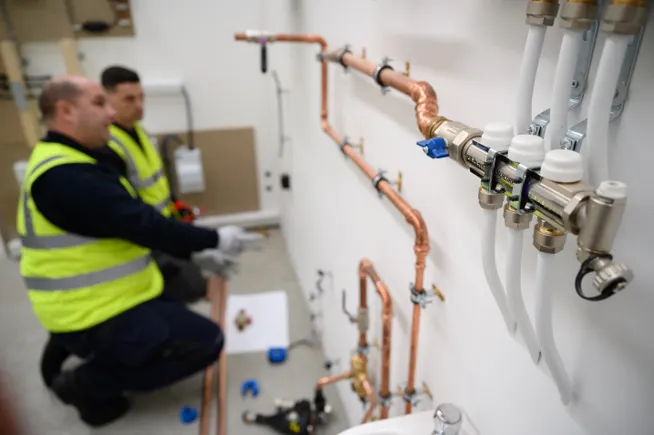
The Cold Reality Behind the Heat Pump Boom: Commercial Building Retrofits Face Multiple Challenges
Multiple U.S. states have committed to installing 20 million heat pumps by 2030, but retrofitting existing buildings faces practical obstacles such as space, cost, and grid constraints. This article analyzes physical retrofits, economic feasibility, grid pressure, and comprehensive decarbonization pathways.
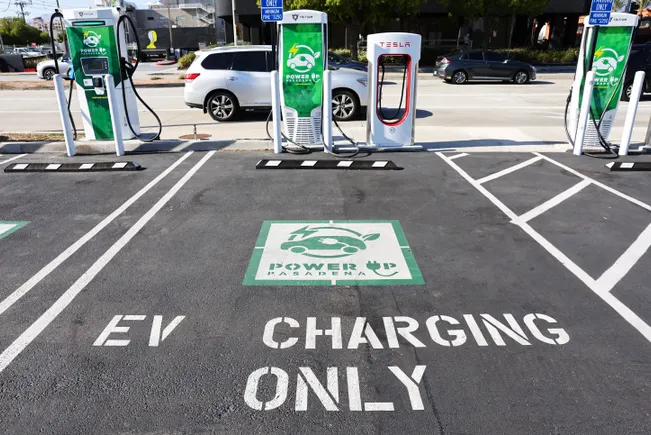
The Battle Over Fast Charging Deployment in the U.S.: Utilities and Charging Companies Vie, Demand Is Urgent but Progress Is Slow
The electrification of U.S. transportation requires large-scale deployment of fast charging stations, but the debate over whether utilities should own and operate charging infrastructure is slowing progress. Analysts on both sides of the issue share this view.

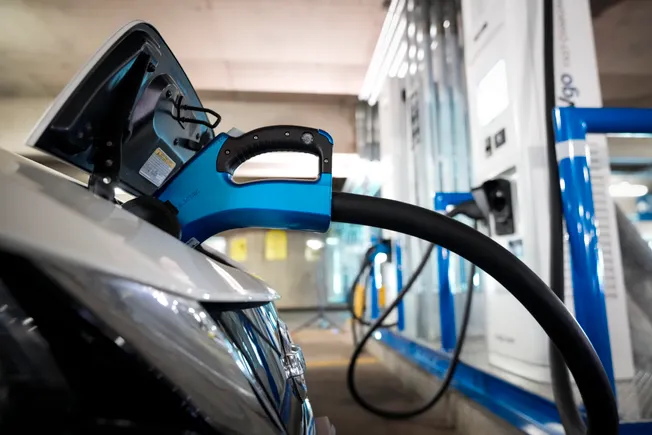
Cross-Industry Collaboration Between Power Companies and the Automotive Sector: From General Motors, BMW to Lyft, Industry Observations on Accelerating Electric Vehicle Adoption
As electric vehicle adoption rates rise, U.S. power companies are facing dual challenges of grid upgrades and load management. According to estimates from the U.S. National Renewable Energy Laboratory, electric vehicles could drive a 38% increase in U.S. electricity consumption by 2050. To address this trend, power companies are forming various forms of partnerships with automakers, dealers, and ride-hailing platforms. This article reviews cases including PG&E's V2X exploration with BMW, Con Edison's equipment testing with General Motors, Dominion Energy's electric school bus project, Xcel Energy's regulatory innovation path, and Peninsula Clean Energy's data exchange with Lyft.
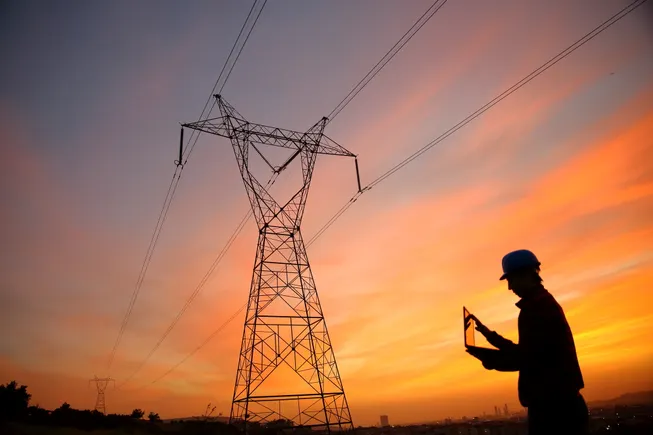
As the U.S. power system transforms, how can electricity pricing mechanisms keep pace?
The U.S. electricity industry is undergoing profound changes, and traditional electricity pricing models face challenges. In recent years, residential electricity bills have continued to rise, prompting states and experts to explore new rate designs, such as low-income discounts in New York and New Hampshire, and income-based fixed charges proposed in California. However, these proposals have also sparked controversies involving fairness, implementation complexity, and incentives for electrification.