Generation
DOE Emergency Orders Drive Up Electricity Costs—What Are the Reliability Gains?
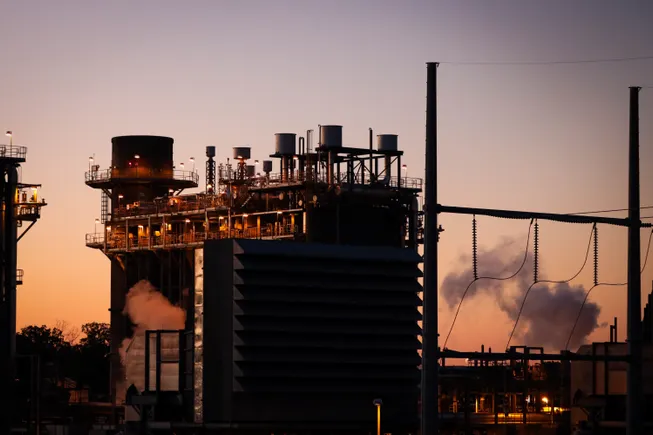
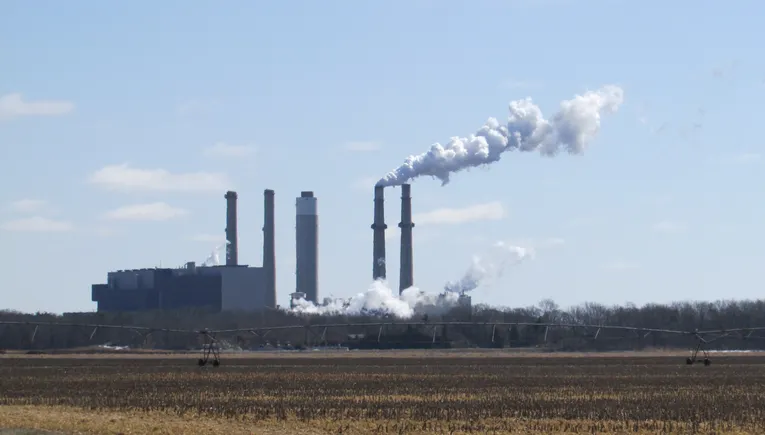
Starting in 2025, the U.S. Department of Energy issued a series of emergency orders under Section 202(c) of the Federal Power Act, requiring 11 generating units across seven power plants to postpone retirement to address potential electricity supply shortages. However, industry observers question the necessity and efficiency of these orders: some units are not operating, regional near-term reliability risks are low, and the orders last only 90 days, which does not align with long-term grid planning cycles. In terms of costs, according to Sierra Club data, maintaining these plants in operation incurs net expenditures of approximately $548.8 million annually; owners such as Consumers Energy and TransAlta are seeking regulatory approval to recover costs from ratepayers. Additionally, operating units produce significant carbon dioxide, sulfur dioxide, and nitrogen oxide emissions, leading to indirect environmental and health costs.
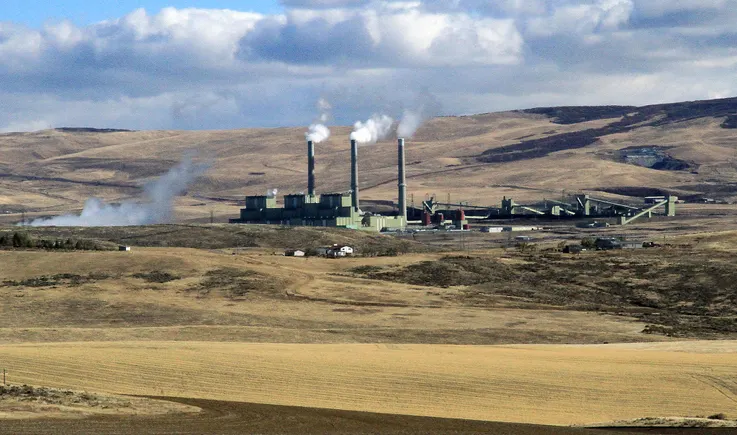
U.S. Department of Energy Emergency Order Causes Sharp Decline in Power Plant Output: Q1 Output Down 65% Year-on-Year
The U.S. Department of Energy issued an emergency order under Section 202(c) of the Federal Power Act to prevent the retirement of 10 units across six power plants. Data shows that in the first quarter of 2026, the combined electricity generation of five of these plants plummeted by 65% year-on-year, with some units barely operating or offline for extended periods.
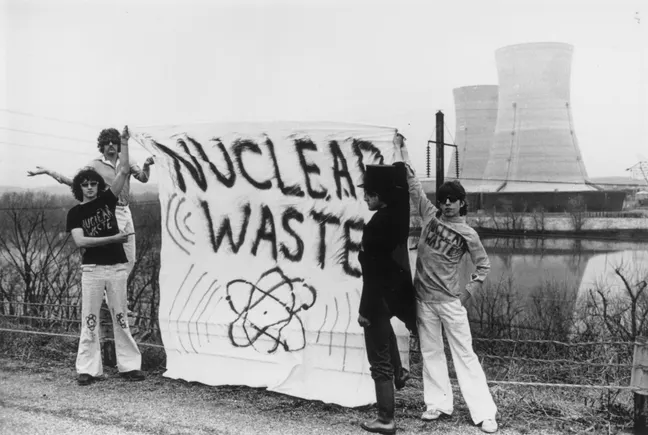
New Solution to the U.S. Nuclear Waste Dilemma: Can the Department of Energy's 'Nuclear Lifecycle Innovation Park' Break the Deadlock?
After decades of deadlock in nuclear waste disposal, the U.S. Department of Energy is attempting to use the 'Nuclear Lifecycle Innovation Park' initiative, offering long-term employment and industrial clustering as incentives, to convince states to accept some spent fuel. Although many states have responded positively, persistent issues such as insufficient funding, policy reversals, and technical and economic viability continue to constrain the pace of the U.S. nuclear renaissance.
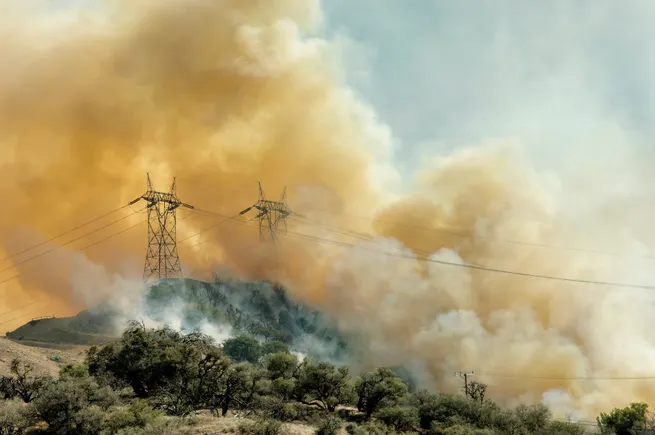
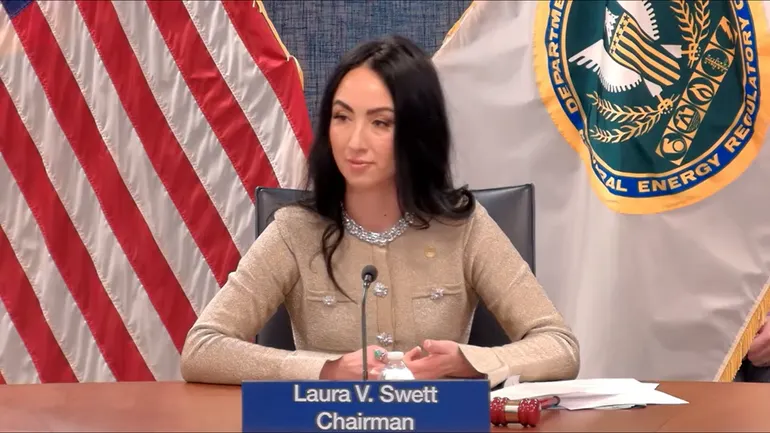
2026 FERC Outlook: Rising Costs Constrain Regulator's Policy Space on Data Centers, Transmission, and Other Issues
In 2026, the U.S. Federal Energy Regulatory Commission (FERC), under pressure from the Trump administration to accelerate data center development, simultaneously faces compliance reviews of new transmission planning rules and challenges from surging wholesale electricity market prices. Rising costs and affordability concerns are limiting regulatory options. This article analyzes FERC's policy space and stakeholder dynamics on issues such as large-load interconnection, transmission planning, and capacity market reform.
Utilities and Regulators Accelerate Pilot Innovation to Shorten Technology Deployment Cycles
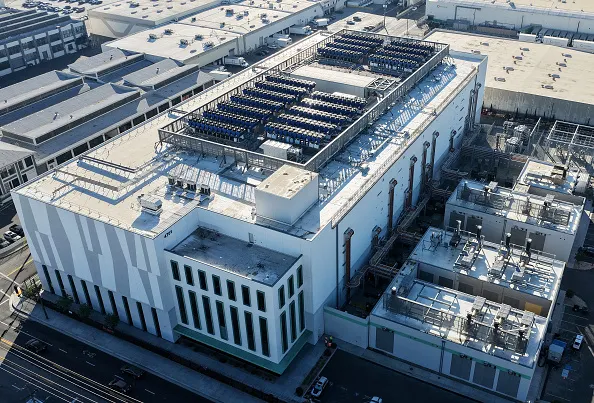
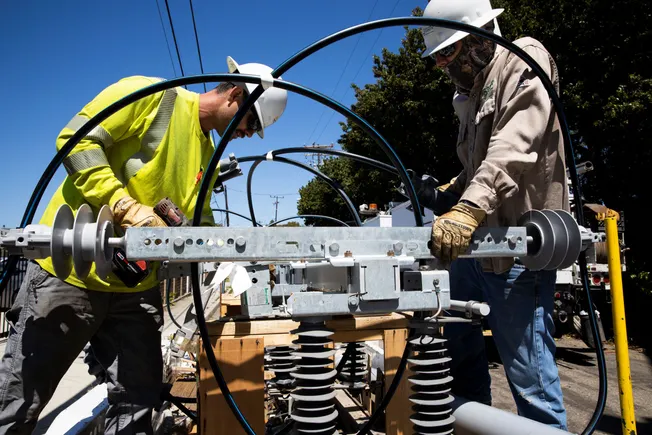
Research from the U.S. Department of Energy finds that smarter pilot designs can streamline utility innovation processes. A June report from Lawrence Berkeley National Laboratory indicates that current pilots are often redundant, yield unclear conclusions, and lack a path to scale. Facing pressure from load growth such as data centers, utilities are working with regulators to explore frameworks like "regulatory sandboxes" to accelerate innovation. Cases such as Salt River Project and Pacific Gas and Electric show that some pilots have already advanced rapidly to scaled deployment.