
Renewables
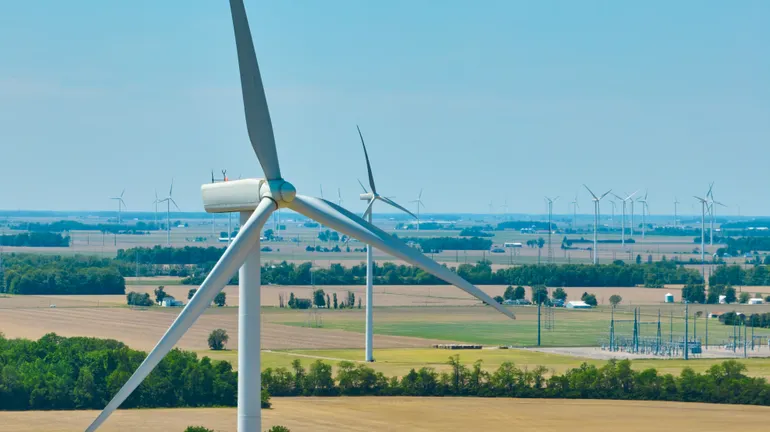
CMS Energy Plans to Sell Renewable Energy Assets, Focusing on Regulated Utilities
CMS Energy announced on Tuesday that it will sell the renewable energy development business under its unregulated subsidiary NorthStar Clean Energy Services to streamline its corporate structure and focus on core utilities. The plan is expected to generate approximately $500 million in net proceeds and enable nearly all of its earnings to come from regulated utilities after 2027. The company also disclosed challenges including a decline in second-quarter earnings, uncertainty regarding data center projects, and rising operating costs for the continued operation of the J.H. Campbell coal-fired power plant.
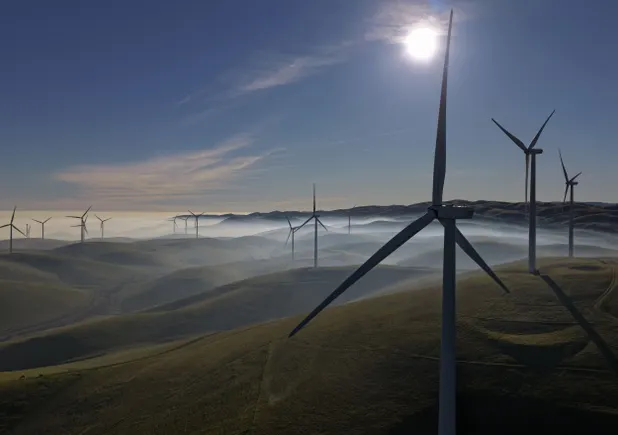
Can 2026 Electricity Demand Drive Renewable Energy Past Policy Barriers?
In 2026, the U.S. renewable energy industry faces significant challenges from the Trump administration's policies, including tax credit deadlines and foreign entity rules set by the One Big Beautiful Bill. However, surging electricity demand and the long construction cycles of natural gas and nuclear power keep solar and wind energy competitive. Industry experts believe that, despite uncertainties, renewable energy and storage projects have a promising outlook in meeting near- and medium-term demand, while states are advancing deployment through legislation and grid reforms.
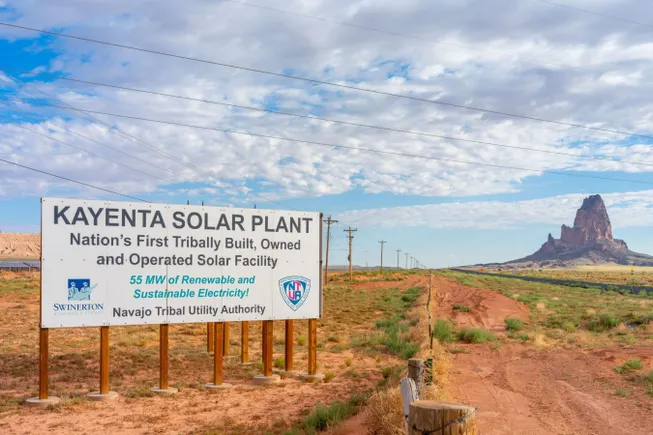
After Federal Clean Energy Grants Canceled, Tribal Nations Regroup to Explore Alternative Financing Paths
The Trump administration canceled clean energy grants such as Solar for All, involving over $500 million for tribal lands. Organizations like the Tribal Renewable Energy Coalition are turning to loans, philanthropy, and private capital to continue projects. The coalition launched the Weaver platform and the Pathways To Trust course to help tribes finance and build partnerships. Despite funding disruptions and project stalls, tribes still seek to shape their energy future through self-determination and regulatory capacity.
Clean energy developers look forward to upcoming FEOC guidance for clarity
Since the passage of the One Big Beautiful Bill, clean energy developers have been trying to understand the impact of its expanded foreign entity of concern (FEOC) rules on tax credits. Industry experts call on the Treasury to promptly issue clear, actionable guidance to address compliance challenges. Meanwhile, developers are adjusting strategies, including shifting toward production tax credits and accelerating project starts, to mitigate potential risks.
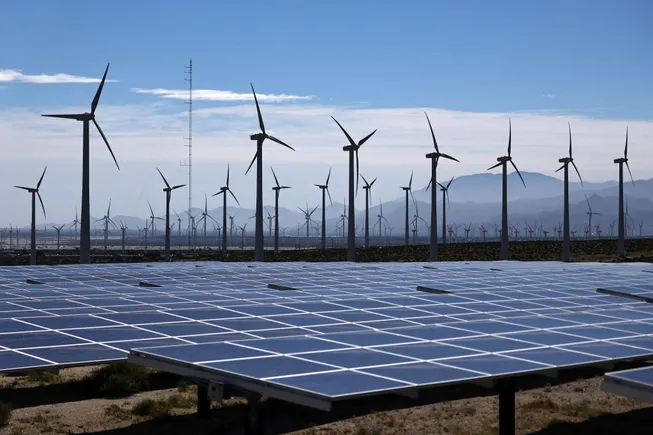
2025 Renewable Energy Outlook: Trump's Second Term Begins, Industry Moves at Full Speed
2025 Renewable Energy Industry Outlook: IRA continues to stimulate investment, load growth brings new opportunities, but grid congestion and permitting challenges remain, with Trump's second-term policy direction becoming a key variable.
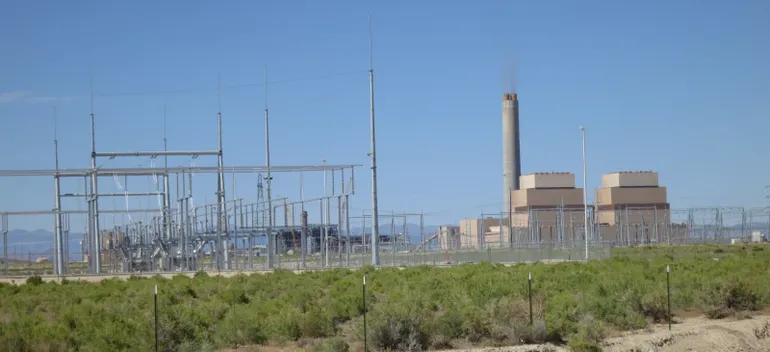
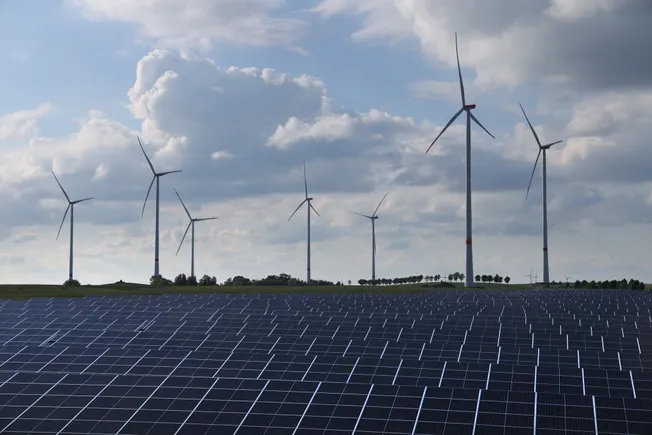
Carrots and Sticks: U.S. States Introduce Policies to Address 'Not in My Backyard' Resistance in Renewable Energy Siting
To address local resistance in renewable energy project siting, multiple U.S. states are adopting 'carrot and stick' policies such as centralized permitting and financial incentives. Michigan has introduced the Renewable Energy Community Award, New York has implemented community benefit plans, and Illinois has replaced local restrictions with state standards. Experts believe that incentive-based policies are more effective, but a balance must be struck between local autonomy and project advancement.
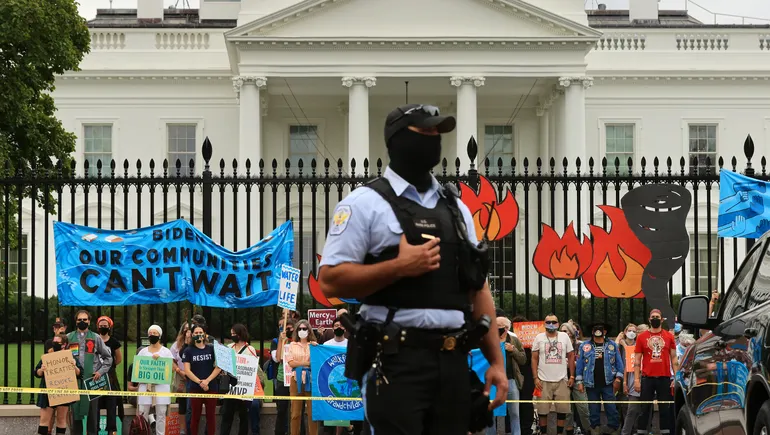
The Battle Over Energy Permitting Reform: Tensions Between Climate Goals and Environmental Justice Demands Intensify
The Biden administration, aiming to achieve a net-zero emissions economy by 2050 and deploy up to $1.6 trillion in climate and infrastructure funding, is pushing to update permitting processes for renewable energy, transmission, and other projects, sparking intense debate among usually allied policy groups. Clean energy groups broadly support streamlining permits to accelerate project deployment, but many environmental organizations oppose reforms that could benefit the fossil fuel industry or weaken the National Environmental Policy Act. This article synthesizes various perspectives, analyzes the core concerns of reform supporters and opponents, and outlines recent administrative and legislative developments.
Renewable Energy Outlook 2024: Supply Chain and Project Hurdles Could Yield Dividends
The U.S. solar and offshore wind industries grew rapidly in 2023 despite global supply chain issues, regulatory hurdles, and interest rate hikes. Experts expect positive trends to continue in 2024, citing the Inflation Reduction Act's decade of certainty and massive clean energy investments. Key challenges include the expiration of the solar tariff moratorium in June, the Uyghur Forced Labor Prevention Act constraints, and the need for transmission buildout. Offshore wind sees breathing room from project cancellations, allowing supply chains to catch up, while solar manufacturing onshoring investments are set to pay off.

Connecticut PBR Push Raises Investor Capital Concerns for Eversource
Connecticut is pioneering a broad performance-based regulation (PBR) overhaul, drawing on Hawaii's framework. Eversource cautions that lowering returns and adding performance incentives may hamper capital attraction, while PURA Chair Marissa Gillett defends the approach as providing certainty and better alignment with state goals. The multi-phase process, set to conclude by end-2024, is examining revenue mechanisms, performance metrics, and integrated distribution planning.