
Generation
Surge in Electricity Demand Drives Power Sector Agenda
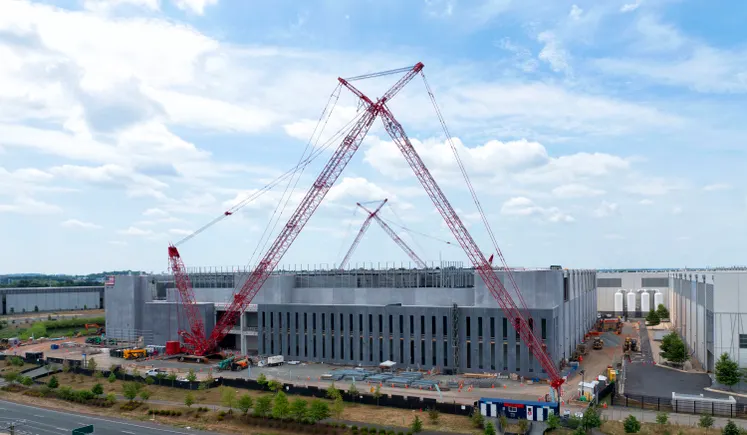
President-elect Trump will be sworn in on Monday, with his second term facing the challenge of surging electricity demand, a stark contrast to the flat demand during his first term from 2017 to 2021. Experts point out that adding new power supply faces historic obstacles, and policy-making needs to strike a balance between Republican goals of lowering energy costs and Democratic clean energy objectives. This article reviews the energy team nominations of the Trump administration, the personnel landscape at FERC, the impact of demand growth on the regulatory agenda, and potential policy adjustments by the DOE and EPA.
Is Time-of-Use Pricing Not Enough? BGE and Other Utilities Expand Active Charge Management to Handle Surging EV Load
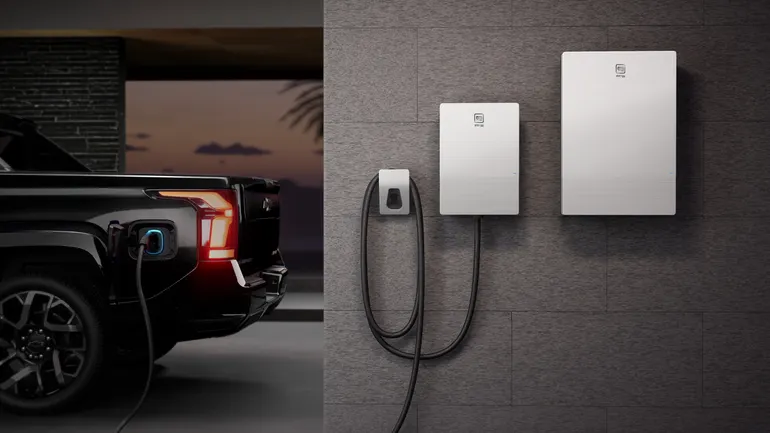
Industry analysts and utility executives generally agree that transportation electrification, if poorly managed, could become the most disruptive new electricity demand on the power system. Recent research shows that active charge management is more effective than time-of-use pricing alone in shifting charging load, saving approximately $300 per vehicle per year. Companies like BGE have received approval to expand such programs to serve 30,000 EV owners.

EPRI and Kraken Advance Distributed Energy Interoperability Standards to Accelerate Large-Scale Deployment of Virtual Power Plants
Virtual power plants (VPPs) are regarded as a key resource for meeting future U.S. electricity demand, but their large-scale growth is constrained by the absence of unified interoperability standards for distributed energy resource (DER) components. To this end, EPRI, Kraken, and other organizations have launched multiple standardization initiatives aimed at simplifying DER device integration through the development of common protocols, enabling VPPs to participate more efficiently in grid dispatch and market transactions.
A New Paradigm for Climate Resilience Planning: APS, Duke Energy and Other Power Companies Tackle Extreme Weather Challenges
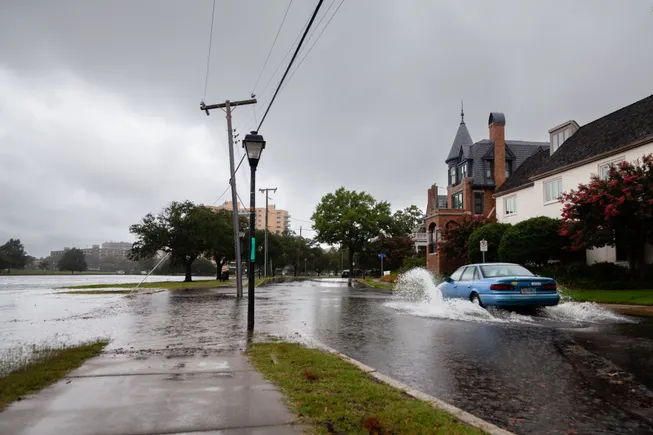
With the frequent occurrence of extreme weather events such as Hurricanes Milton and Helene, the U.S. electric power industry is shifting from single-event response to systematic climate resilience planning. Based on interviews with experts from PA Consulting, EPRI, ICF, LBNL, and companies such as Duke Energy, Central Hudson, Pacific Power, and APS, this article analyzes the four pillars of resilience planning, the current regulatory landscape, and industry divergences, and points out that EPRI's Climate READi framework is expected to provide more scientific decision support by 2025.
With Palisades and Three Mile Island Restarts Imminent, Can More Retired Reactors Follow?
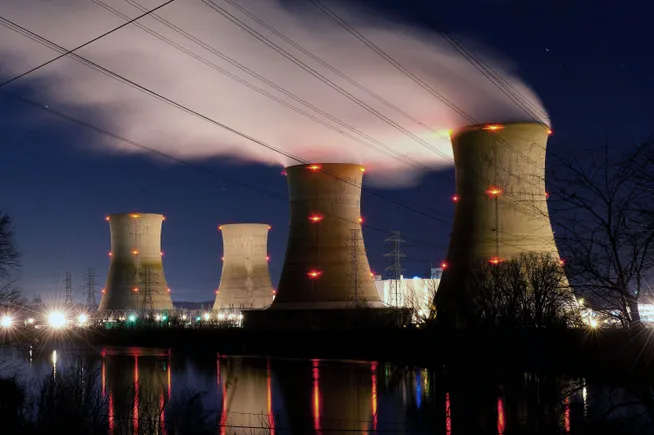
With Constellation Energy planning to restart Three Mile Island Unit 1 in 2028, and Holtec International's Palisades plant expected to resume operations in October 2025, the wave of restarts of retired nuclear reactors in the United States has drawn attention. This article reviews the list of restart candidates, capital investments, regulatory processes, and industry experts' assessments of feasibility.
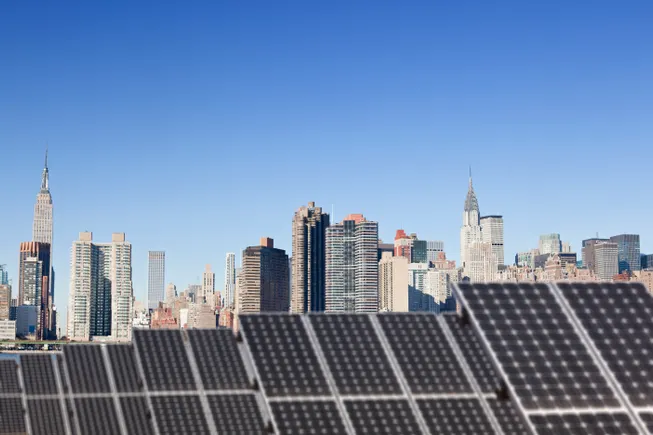
California Pioneers New Path for Interconnecting Large-Scale Distributed Energy Resources
California has taken the lead in implementing the Limited Generation Profile (LGP) option, allowing large-scale distributed energy resources to voluntarily curtail generation during system congestion periods to avoid high upgrade costs. This is seen as the first statewide application of flexible interconnection innovation, with other states also exploring more flexible approaches, though facing challenges related to reliability, cost allocation, and technology.
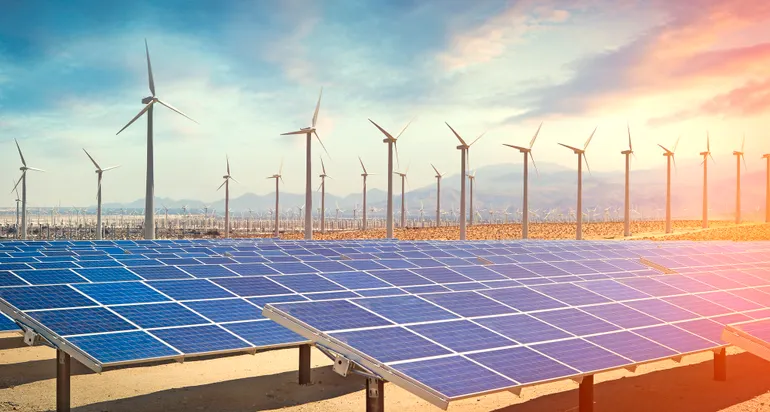
U.S. Clean Energy Interconnection Backlog Reaches 2.5 Terawatts, Innovative Solutions Accelerate Breakthrough
The U.S. clean energy interconnection backlog has exceeded 2.5 terawatts, with Lawrence Berkeley National Laboratory reports showing interconnection wait times extending from 17 months to nearly five years. In response to FERC Order No. 2023, the California Independent System Operator, the Electric Reliability Council of Texas, and the Southwest Power Pool are introducing innovative approaches, including cluster studies and connect-and-manage models, but disputes over commercial interests and regulatory balance remain.

AI Empowers the Power Industry: Tech Giants like Nvidia and IBM Drive Smart Grid Advancement, but Regulatory and Data Privacy Challenges Remain
The surge in electricity demand has accelerated collaboration between technology companies and power utilities to apply AI to grid optimization. Companies like Nvidia and IBM have introduced related technologies, but regulatory approval, data sharing, and privacy protection have become key bottlenecks. Industry experts call for new collaboration models and governance frameworks.
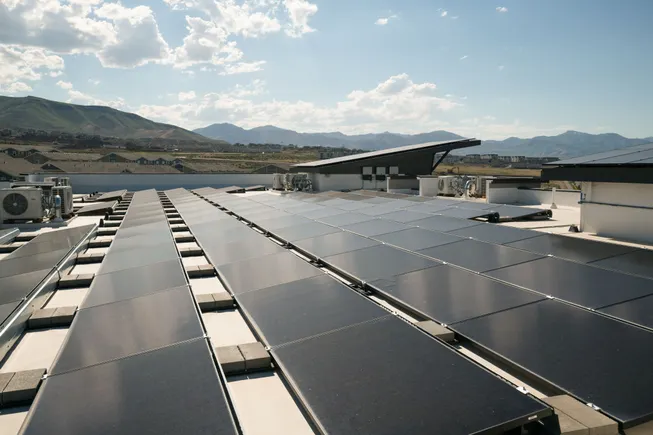
Analysts: Solving Three Key Issues Can Help Virtual Power Plants Scale Up and Unlock Multiple Benefits
Utilities, service providers, and analysts agree that for virtual power plants (VPPs) to reach their full potential, breakthroughs are needed in control technology, communication standardization, and customer incentive compensation. The industry generally believes that VPP scaling will bring new technology costs and require new planning processes and regulatory support.
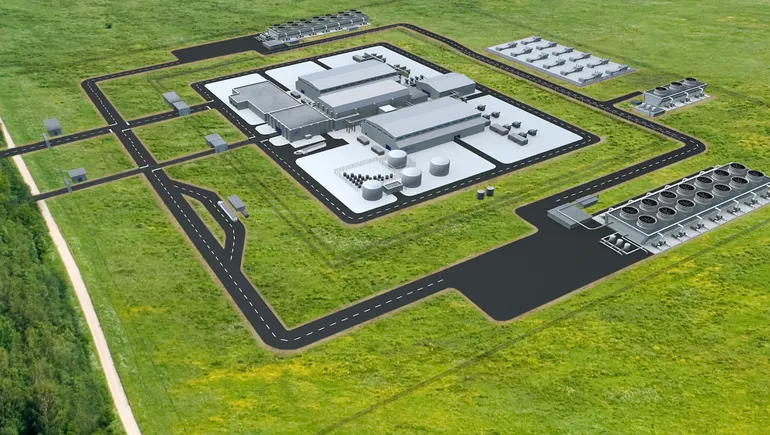
Advanced Nuclear Energy Deployment Accelerates: Wyoming, Virginia, and Michigan Lead the Nation
Advanced nuclear energy development in the United States is shifting from pilot projects in individual states to multi-state competition. Wyoming is advancing the TerraPower demonstration project through legislative and financial support, Michigan is investing to restart the Palisades nuclear plant, and Virginia is fostering an industrial ecosystem through workforce clusters and laboratory initiatives. State policies reflect four distinct pathways, but project deployment will still take several years.