
Generation
Grid planners and experts analyze: why the market continues to favor renewable energy
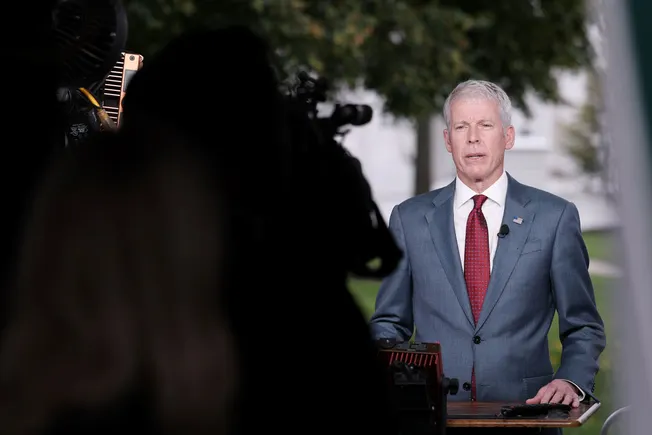
As U.S. electricity demand grows and the share of renewable energy increases, concerns about its reliability are rising, with Energy Secretary Chris Wright recently voicing public doubts. However, grid planners, operators, and analysts argue that wind, solar, and batteries continue to be selected in automated markets due to cost advantages, and that reliability can be ensured through advanced forecasting and flexible dispatch. This article synthesizes multiple perspectives to explain the economic and technological logic behind market choices.
The Regulator's Dilemma: Balancing Grid Modernization and Rising Electricity Rates
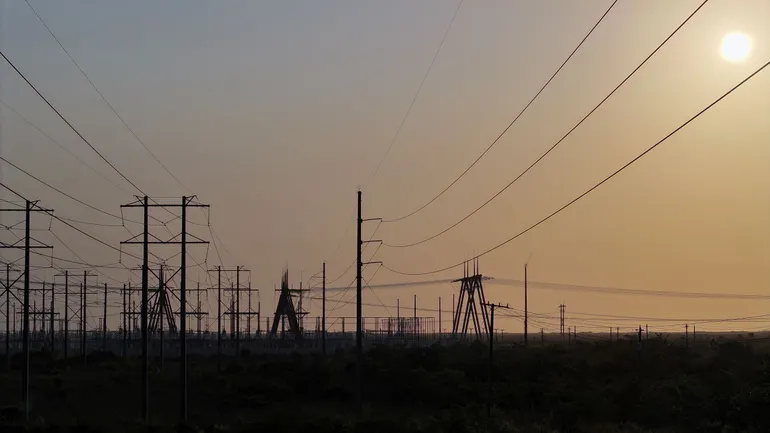
At the American Clean Power Association (ACP) CleanPower 2025 conference, multiple utility regulators and industry analysts noted that the surge in grid modernization policy actions contrasts sharply with rising electricity rates, requiring regulators to balance ensuring investment value and protecting consumer interests. The conference discussed various emerging tools, including multi-objective priority assessment, integrated distribution system planning, and business case regulation, and shared practical cases from states such as Michigan, Rhode Island, and Georgia.
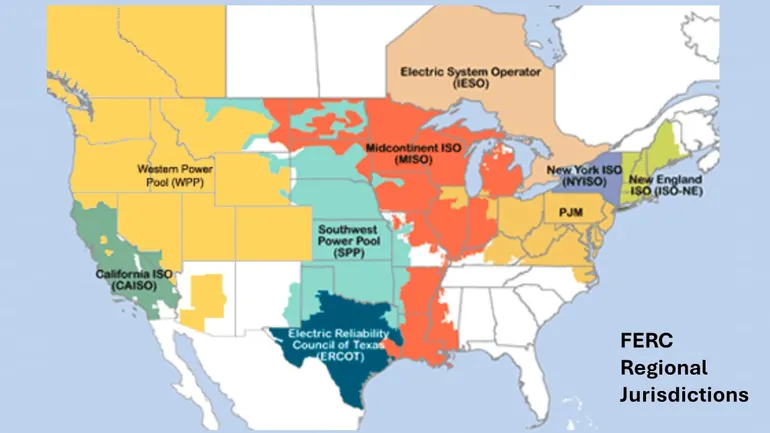

EPRI-led Open Power AI Coalition Aims to Drive Grid Modernization through Data Sharing
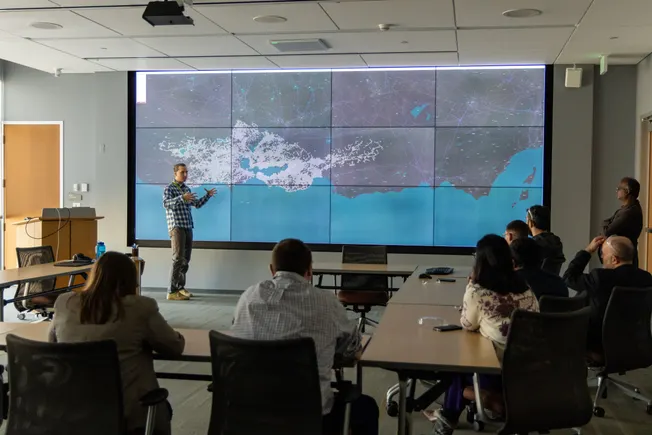
Technology experts and power industry executives agree that lack of access to system data is a major obstacle to AI-driven grid modernization. EPRI, together with multiple organizations, has established the Open Power AI Coalition, planning to promote innovation through data sharing and sandbox testing. Meanwhile, companies such as Schneider Electric have launched digital grid platforms, and state policies are accelerating data openness, but cybersecurity and customer privacy issues remain a focus.
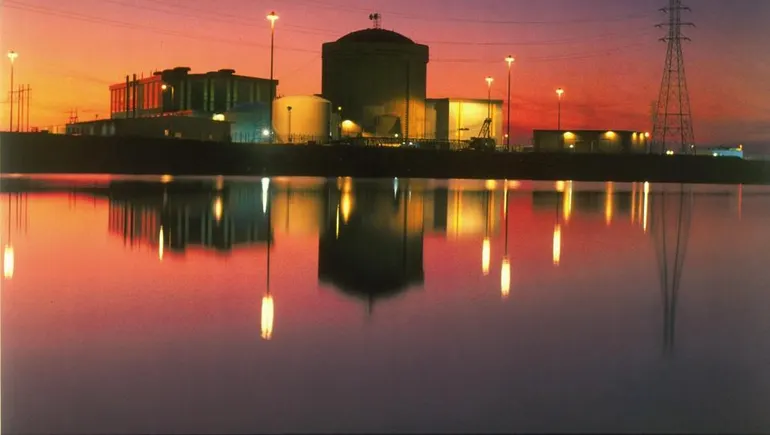
Santee Cooper Plans to Sell Unfinished Nuclear Reactors: What Comes Next?
South Carolina utility Santee Cooper launched a bidding process in January to seek potential buyers to acquire and complete the two unfinished AP1000 reactors at the V.C. Summer Nuclear Station. The project, halted since 2017, has already seen $9 billion invested. Experts note that if the bidding succeeds, the new units could be completed within 5 to 8 years, but face multiple challenges including equipment condition, financing, and supply chain issues.

AI demonstration projects show great potential, but are utility companies ready?
Power companies and system operators are leveraging artificial intelligence and machine learning to address reliability challenges from load growth. Demonstration projects cover electricity price forecasting, wildfire prevention, EV charging management, and even nuclear plant operations, but data security, infrastructure, and talent reserves remain key to scaling applications.
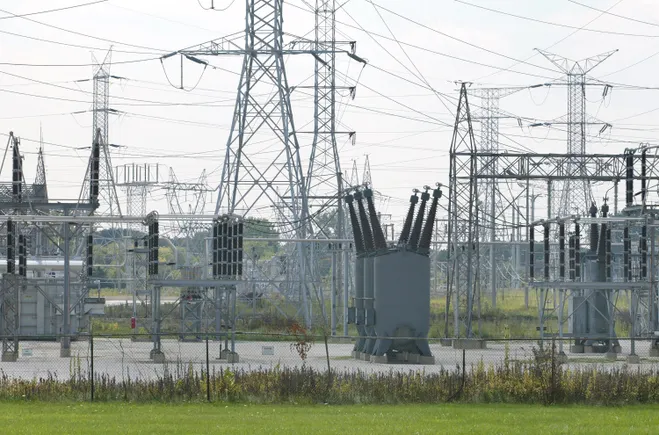
Transformer Supply Bottleneck Threatens Grid Stability: The Dilemma of Modernizing the U.S. Power System Amid Load Growth
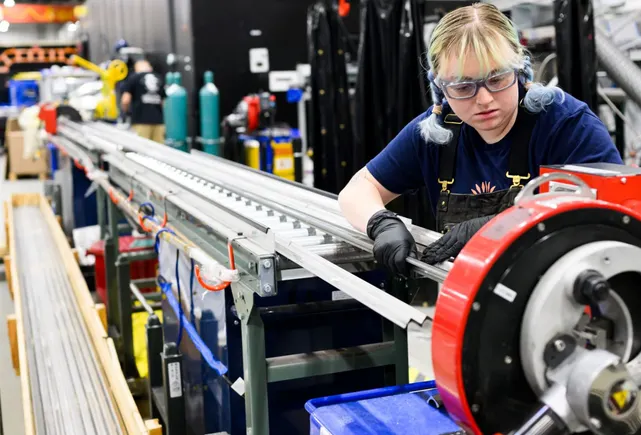
The modernization process of the U.S. power system is impeded by transformer supply bottlenecks. Load growth, extreme weather, and supply chain disruptions have extended lead times to three years, and while manufacturers invest in expanding production, short-term pressures remain.