
Opinion
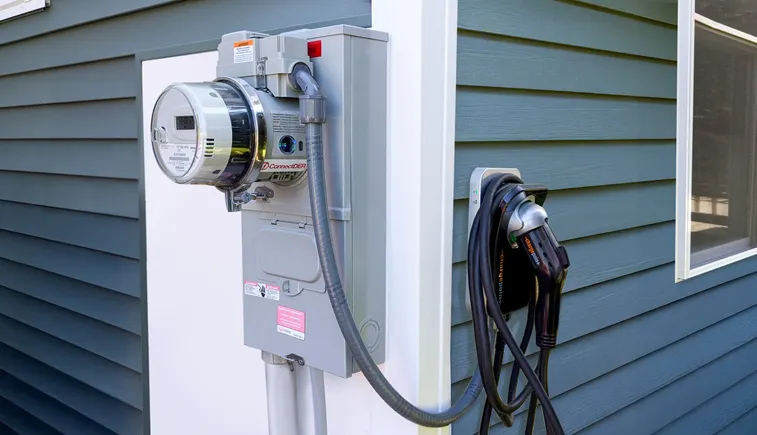
The utility billing system is preventing rate and program innovation
As the number of U.S. electricity rate tariffs has grown by roughly an order of magnitude in five years to over 50,000, traditional billing systems (CIS), due to outdated architecture and redundant logic, have become a key bottleneck for rate innovation and program implementation. GridX Chief Commercial Officer Scott Engstrom analyzes that rate implementation cycles take 18 to 36 months, far exceeding the 12-month requirement for pilot programs, and cause delays in projects such as virtual power plants and EV charging management. The article suggests decoupling rate calculation from core systems through solutions like modular billing engines, while also urging regulators to take action on approval, cost recovery, and performance metrics.
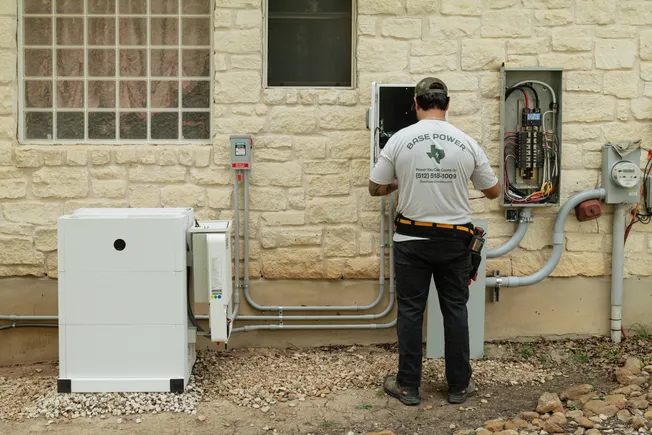
America’s permitting crisis lives at City Hall
Justin Lopas, co-founder of Base Power, writes that the biggest bottleneck in the U.S. energy transition is the fragmentation of permitting at the municipal level. Two nearly identical home battery installations—one approved the same day for $45, the other taking 12 weeks and costing $992. The article calls for following the precedent of the Telecommunications Act, replacing local fragmentation with national standards, and promoting automated permitting tools like SolarAPP+.
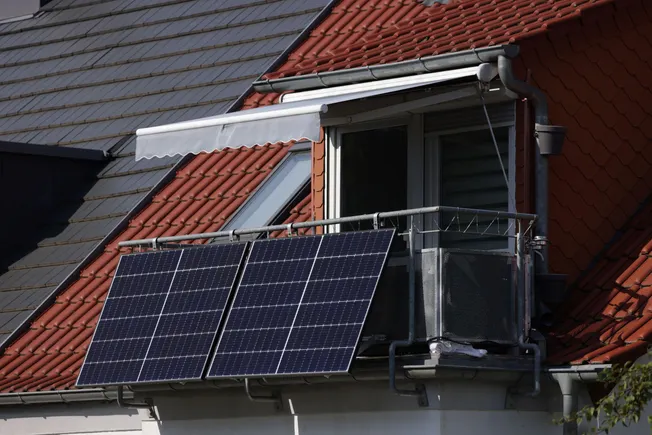
A plug-in solar solution that utilities and lawmakers can agree on
Plug-in solar (also known as balcony solar) is becoming a new legislative hotspot in U.S. states. Utah led the way with legislation, followed by Colorado, Maine, Virginia, and others; California's Senate passed a related bill by a 35-to-1 vote, and the New York and New Jersey state assemblies have also passed bills awaiting gubernatorial signature. Author Stephan Scherer, based on German experience and differences in U.S. grids, recommends legislation adopting tiered power definitions (below 420 watts exempt from complex control systems) and a 400-watt export limit to balance home circuit safety and grid stability, while avoiding the safety risks of a single 1200-watt cap.
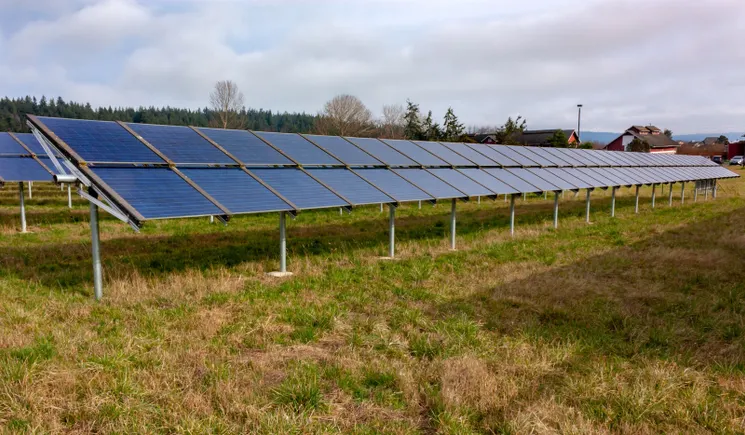
Community solar could close California's energy affordability gap
In California, one of the wealthiest states in the U.S., millions of people still struggle to pay their electricity bills, with an average overdue balance of $1,120. Community solar plus storage projects can provide renters or residents without suitable rooftops a way to subscribe to small-scale solar projects. If Bill AB 1813 passes, it is expected to narrow the energy affordability gap, bringing clean energy and bill savings to residents across the state.

3 practical steps to ensure the US industrial boom runs on electricity
U.S. manufacturers are facing challenges from energy price volatility and intensifying global competition, making the electrification of industrial thermal systems a significant opportunity. New analysis shows that by 2035, this transformation could unlock approximately $254 billion in investment, generate $471 billion in economic activity, and support 1.66 million jobs. Achieving this goal requires three pragmatic measures: optimizing industrial electricity pricing design, providing project financing support, and building a domestic equipment supply chain and workforce.
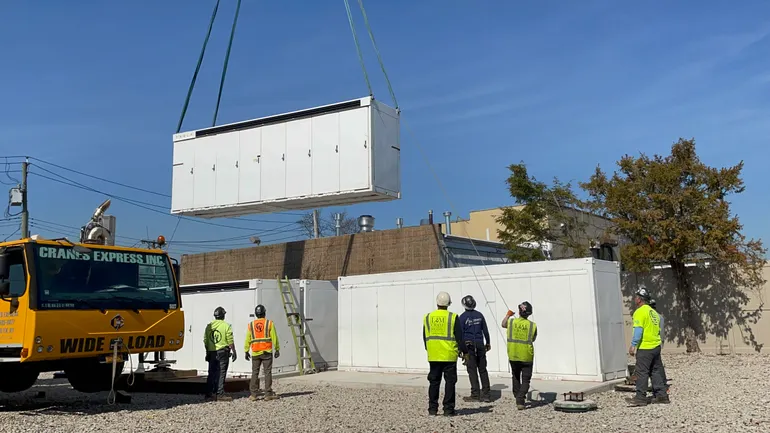
Distribution Networks: Unexpected Game-Changers in the Affordability Puzzle
This article explores how distribution networks, through distributed capacity procurement (such as Xcel Energy's Capacity*Connect program), become key platforms for improving grid utilization, reducing electricity bills, and promoting economic growth.