
Community solar could close California's energy affordability gap
In California, one of the wealthiest states in the U.S., millions of people still struggle to pay their electricity bills, with an average overdue balance of $1,120. Community solar plus storage projects can provide renters or residents without suitable rooftops a way to subscribe to small-scale solar projects. If Bill AB 1813 passes, it is expected to narrow the energy affordability gap, bringing clean energy and bill savings to residents across the state.
Ardi Arian is the founder and CEO of Renewable America, a company that develops solar and storage projects in California.
In California, one of the wealthiest states in the nation, it is unacceptable that millions of residents still struggle with their electricity bills. Currently, the average overdue electricity balance for California residents is $1,120. The good news is that policymakers already have solutions at hand.

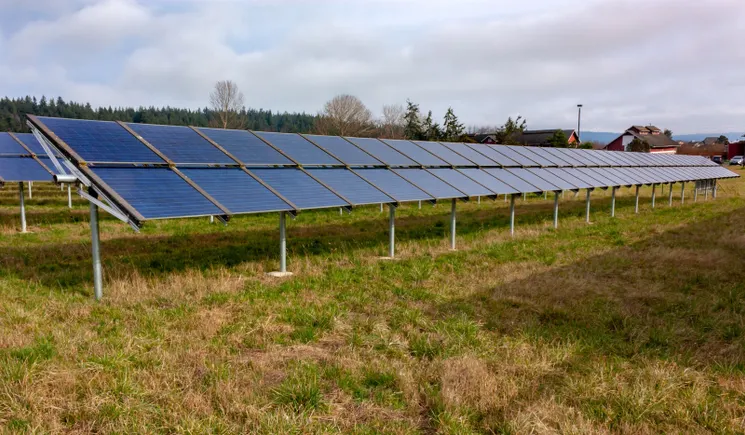
Community solar plus storage projects enable most California renters or residents lacking suitable rooftop space to subscribe to small-scale solar projects. To date, Community Choice Aggregation (CCA) is one of the few options for these Californians to access clean energy.
Through CCAs, local governments purchase greener electricity for residents. Low-income residents receive a 20% discount on their electricity bills, other residents pay the same rates, and more clean energy is developed. In California, CCA programs represent the most significant long-term growth opportunity for clean energy resources.
Currently, California has 25 CCAs serving more than one-third of the state's electricity consumers, including most communities near the coast. However, nearly two-thirds of Californians cannot access CCAs, which is outrageous. Regulatory complexity hinders innovation and keeps electricity rates high for most Californians. California urgently needs more practical and affordable energy policies.
New community solar and storage legislationAB 1813, would go a long way toward bridging California's energy affordability gap and opening access to community-level clean energy for all Californians.
Once viable community solar policies are in place, residents across California could choose to subscribe to local solar projects and receive credits on their electricity bills. On average, community solar subscribers could save $200 per year on electricity, with low-income households saving even more. No rooftop or equipment is needed, and there are no commitments or long-term contracts. Additionally, more than half of new community-level solar projects would be required to serve low-income customers.
Statewide community solar and storage projects also benefit the aging grid. Instead of connecting to large transmission lines that require expensive upgrades and long timelines, these projects connect to local energy infrastructure near homes and businesses—the distribution grid.
The distribution grid is significantly underutilized, and many distribution lines already have immediate capacity. A recentstudyfound that adding community solar and storage projects to California's distribution grid could avoid up to $2 billion in transmission and distribution upgrade needs. Through large-scale community solar and storage projects, Californians could save $6.5 billion on energy costs.
AB 1813 aims to save money for all ratepayers, even those who do not subscribe to community solar projects. The bill includes smart guardrails with caps on individual project deployment and overall deployment. A recentpollshows that 80% of Californians support community solar, backed by a broad coalition of stakeholders—from homebuilders associations, environmental justice groups, and ratepayer advocates to developers like me.
Community solar and storage legislation enjoys broad support because it makes common sense and serves all Californians. AB 1813 passed the Senate Energy, Utilities and Communications Committee on June 16. The full Senate should pass the bill in its next vote, and Governor Gavin Newsom should sign it to give Californians the clean energy they deserve.