
Deep Dive
来自我们记者的行业洞察
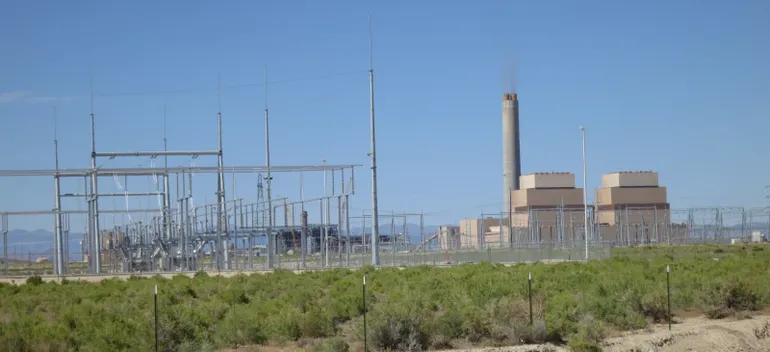

C-PACE financing can lower the cost of energy-efficiency upgrades—but it depends on where the property is located
C-PACE financing provides long-term, low-interest funding for energy-efficiency upgrades in commercial real estate, but it is limited by state-level legislation. The Black Desert Resort in Utah secured $153 million in financing, setting a single-project record. State policies vary significantly; New York City recently relaxed key requirements, while states like Maryland still face amortization period restrictions. Experts advise cross-state owners to pilot projects before scaling up.

Ann Arbor, Michigan's 'Sustainable Energy Utility' Approved by Voters, What's Next?
Ann Arbor voters passed a proposal to establish a 'Sustainable Energy Utility' (SEU) with 79% approval on November 5. The utility will complement DTE Energy, initially covering the full upfront costs of rooftop solar and battery storage systems for voluntarily participating households, businesses, and institutions, and will own and operate these systems. Once enough neighboring customers participate, the SEU will build microgrids to enable renewable energy sharing and maintain power supply during main grid outages. The SEU also plans to offer programs such as energy efficiency upgrades, electrification, and community solar. Despite skepticism from technical experts about redundant infrastructure, supporters see it as a viable path to rapidly expand clean energy generation. The SEU is expected to launch within two years, with over 650 people already on the waiting list.
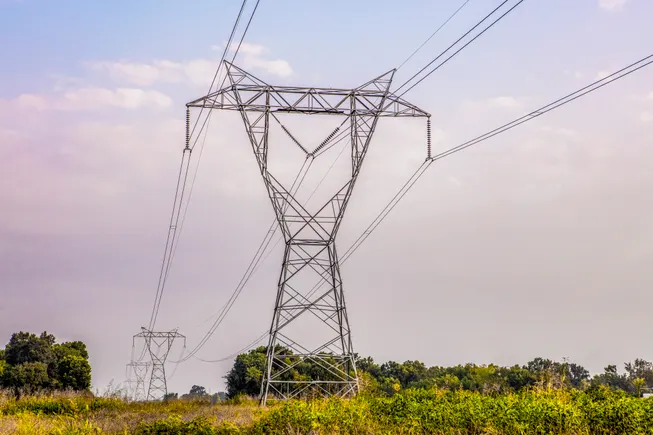
Texas working group plans to 'remove barriers' to expand virtual power plant pilot scale, participation still needs improvement
The Electric Reliability Council of Texas (ERCOT) is considering doubling the scale of its virtual power plant pilot project and introducing a series of rule adjustments to address the challenge of insufficient participation. Currently, the project has only attracted two aggregators, Tesla and Bandera Electric Cooperative, totaling about 15 megawatts, far below the initial target of 80 megawatts. The working group plans to lower entry barriers by raising capacity limits and introducing new aggregation frameworks.
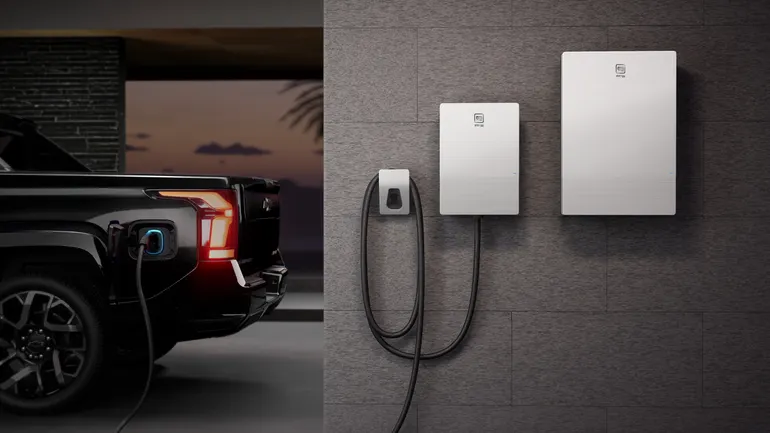
Is Time-of-Use Pricing Not Enough? BGE and Other Utilities Expand Active Charge Management to Handle Surging EV Load
Industry analysts and utility executives generally agree that without effective management, transportation electrification could become the most disruptive new electricity demand on the power system. A 2023 study by the National Renewable Energy Laboratory (NREL) shows that EV owners prefer charging at home, but as of 2021, annual investment in the nation's distribution systems had already exceeded $60 billion. Recent research indicates that time-of-use (TOU) rates are insufficient to address secondary peaks caused by charging, making active charge management a necessary complement. Companies like BGE have received approval to expand related pilot programs to serve 30,000 EV owners.

EPRI and Kraken Advance Distributed Energy Interoperability Standards to Accelerate Large-Scale Virtual Power Plant Deployment
Virtual power plants (VPPs) are regarded as a key flexibility resource for addressing U.S. electricity load growth and decarbonization goals, but their scalability is limited by the lack of unified interoperability standards for distributed energy resource (DER) components. To address this, the Electric Power Research Institute (EPRI) and software platform provider Kraken, among others, have launched standardization initiatives such as Mercury and FLEXIT, aimed at developing standards for DER communication protocols and service interfaces, enabling VPPs to participate more efficiently in grid operations and wholesale markets. Industry experts generally believe that standardization is a prerequisite for unlocking the flexibility value of VPPs, reducing system costs, and attracting investment.

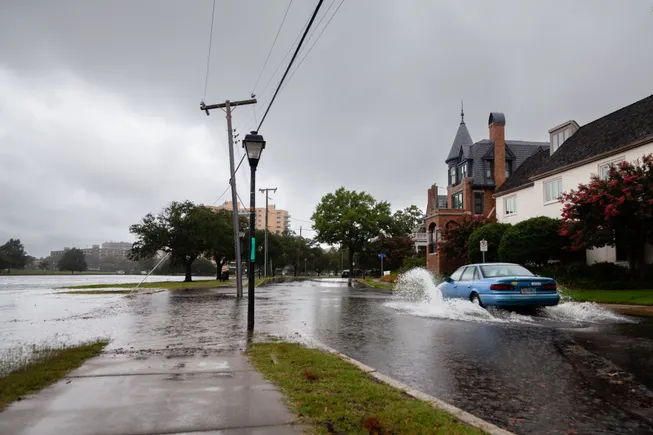
A New Paradigm for Climate Resilience Planning: APS, Duke and Other Power Companies Explore Strategies to Address Extreme Weather
With the frequent occurrence of extreme weather events such as Hurricanes Milton and Helene, the U.S. power industry is accelerating climate resilience planning. Based on NOAA data and research from multiple institutions, this article analyzes the response strategies of companies such as Duke Energy and Arizona Public Service, and explores how emerging tools like the EPRI Climate READi framework are reshaping industry standards.
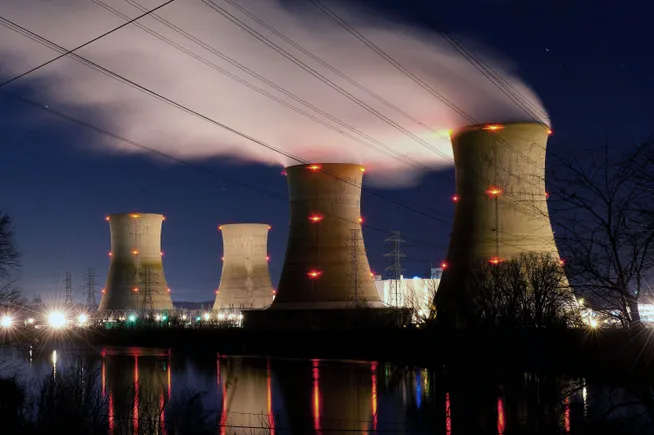
With Palisades and Three Mile Island Unit Restarts Imminent, Can More Retired Reactors Follow?
Constellation Energy plans to restart Three Mile Island Unit 1 in 2028, while Holtec International is expected to restart the Palisades nuclear plant in October 2025. These projects face significant investment, strict regulation, and complex engineering challenges. Industry experts note that the number of viable restart candidates in the U.S. may be in the single digits, with economics and unit condition being key determining factors.
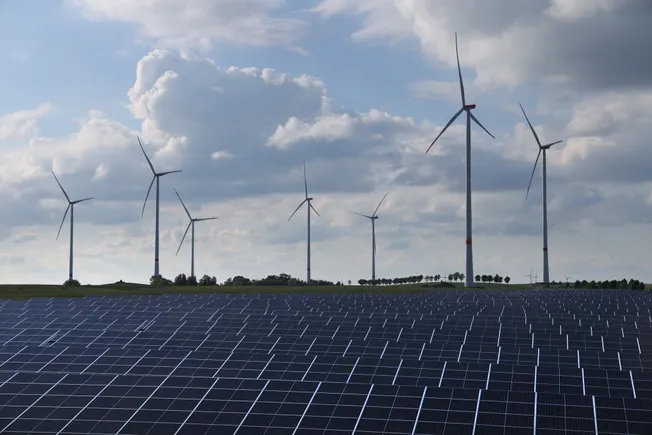
Carrot and Stick: U.S. States Introduce Policies to Address 'NIMBY' Resistance in Renewable Energy Siting
To address local resistance in renewable energy project siting, multiple U.S. states are adopting 'carrot and stick' policies such as centralized permitting and financial incentives. Michigan's 'Renewable Energy Ready Communities Award' and New York's 'Host Community Benefit Program' have shown initial results, but Illinois' legislative move to strip local permitting authority has sparked controversy. Experts believe the most effective policies should incentivize local participation and limit malicious delays.