
PG&E data center pipeline reaches 12.7 GW, focusing on small and medium-sized load projects
Pacific Gas and Electric Company (PG&E) disclosed during its second-quarter earnings call that its data center pipeline has reached 12.7 GW, with 490 MW of projects having signed interconnection agreements and 3.9 GW in the final design stage. The company emphasized project quality over scale and expects to add 1.8 GW of data center load by 2030.
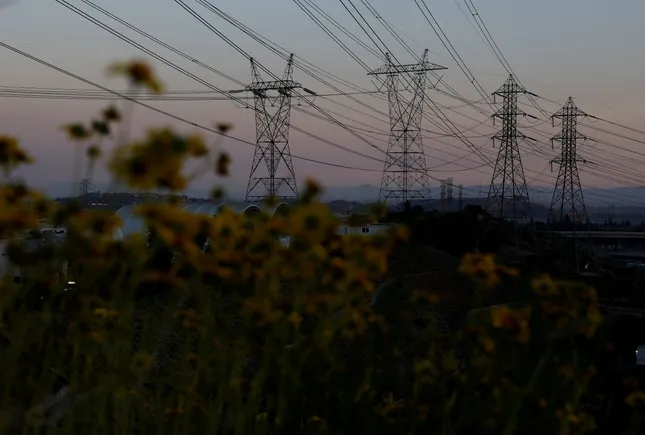
Pacific Gas and Electric (PG&E) said on its second-quarter earnings call Thursday that its data center pipeline now totals 12.7 gigawatts, with 490 megawatts of projects having signed interconnection agreements and another 3.9 gigawatts in the final engineering design phase.
Over the past year, the company's data center pipeline has fluctuated: 7.3 GW at the end of 2025, falling to 5.4 GW in the first quarter of 2026 as some projects exited. In the latest investor presentation released Thursday, the company, based on a methodology adjustment, retroactively revised the previous quarter's queue size down to 5.1 GW.
Company executives attributed the change to stricter screening of potential projects and said their efforts to attract the right customers are paying off.
PG&E CEO Patti Poppe said the company expects to add 1.8 GW of data center load by 2030.
"When we continue to build the pipeline, what we focus on is not size but quality," Poppe told analysts on Thursday's call. "We have always placed a high priority on pricing this load appropriately—being attractive to data center customers while lowering bills for other customers... If done well, these efforts will help build a high-confidence pipeline that lowers bills, drives economic growth, and keeps California at the forefront of technology and innovation."
Although PG&E attracted interest from some large data center projects over the past quarter, Poppe noted that small and medium-sized data centers with power demand below 1 GW currently make up the bulk of the company's queue.
Meanwhile, the 2026 wildfire season has been relatively calm, with Poppe noting that 2026 year-to-date marks the company's fourth consecutive year without a major fire. She said that thanks to monitoring and mitigation measures, the company has successfully prevented 13 potential ignition events this year.
However, the company still faces significant costs and liabilities related to past wildfires. Earlier this month, the California Public Utilities Commission proposed a settlement to impose a $22 million fine on the company for its role in the 2022 Mosquito Fire in Placer County.
Following public comment and approval, the settlement would conclude the CPUC's investigation into the company's role in that fire. PG&E faces total liabilities of $400 million for the Mosquito Fire, plus $2.25 billion related to the 2021 Dixie Fire. The company expects to receive $1.25 billion from the state wildfire fund for the Dixie Fire and has already received $128 million from the fund for the 2019 Kincade Fire. According to company filings, the company does not expect compensation from the fund for the Mosquito Fire.
The company expects the California legislature to pass reforms later this year to shore up the state wildfire fund. Although S&P recently upgraded PG&E's credit rating, PG&E Executive Vice President and CFO Carolyn Burke said Thursday that legislative reform remains critical to the company's strategy for achieving investment-grade ratings.
"There is no reason not to act," Poppe added later. "In other words, if the legislature does not act, or if they act but do not truly solve the problem, then we will have to take action."
Poppe and Burke declined to answer analysts' questions about details of potential actions but said all aspects of the company's $73 billion financing and capital plan would be considered.
Under the current plan, the company will invest approximately $58 billion in transmission and distribution lines and $3 billion in generation, according to the company's earnings report. The ongoing 2027 general rate case seeks revenue of more than $16 billion.
Poppe said the interim rate request, which has drawn opposition from some intervenors, is intended to mitigate rate shock for customers. She said it would not have an impact on the company's financing plan.