
Under pressure, Entergy seeks to ease $1.8B Texas gas plant acquisition costs
Entergy CEO Drew Marsh said on Wednesday's earnings call that the company is seeking to 'mitigate' the impact of the $1.8 billion acquisition of the 1.26 GW Cottonwood gas plant in Texas. The deal requires approval from the Louisiana Public Service Commission, and after PSC staff analysis suggested it could raise customer monthly bills by more than $7, it has drawn attention from the governor and the public.
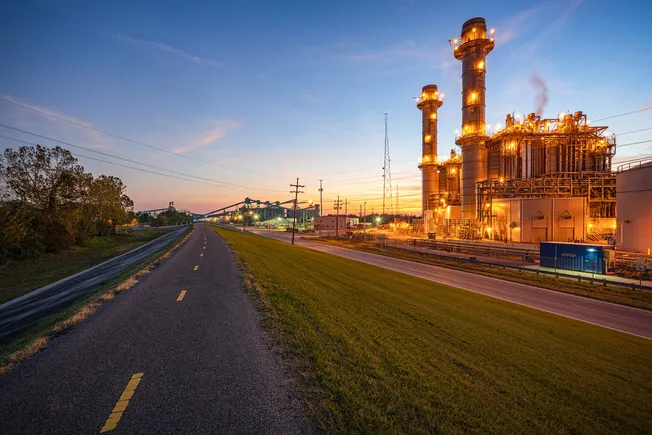
Entergy CEO Drew Marsh told analysts on Wednesday's second-quarter earnings call that the company is seeking ways to "mitigate" the potential impact of a $1.8 billion natural gas plant acquisition. The deal has been submitted for approval to Louisiana regulators, but the company is facing pressure over potential customer bill impacts and questions about whether the plant will primarily serve new data centers.
"We know Cottonwood is not the newest plant, but it is the most economical option for our existing customers and the non-data center industrial growth we are seeing," Marsh said on the call.
Key data at a glance
According to Entergy's Q2 2026 earnings report, the following data is noteworthy:
- $67 billion: Entergy's 2026-2030 capital investment plan, unchanged from the figure announced at its June Investor Day.
- 7-12 GW: Potential data center load pipeline, also unchanged.
- $1.03: Adjusted earnings per share for the second quarter, compared to $1.05 in the same period in 2025.
Regulatory review and public pressure
The acquisition requires approval from the Louisiana Public Service Commission (PSC). A June PSC staff analysis indicated the deal could increase bills for customers using 1,000 kWh per month bymore than $7, prompting additional scrutiny. The report ledlocal media coveragequestioning whether Meta should foot the bill for this acquisition, as the company is developing data centers within Entergy's service area.
The report quickly drew a response on social media from Louisiana Governor Jeff Landry (R), who said, "The PSC should not allow anyone to exploit the electricity market at the expense of our ratepayers”。
Management defense: Demand beyond data centers
Marsh emphasized that demand for Cottonwood is not limited to data centers. "We believe it is the best option to help Louisiana's growing steel mills, LNG facilities, and petrochemical facilities," he told analysts.
Jefferies equity analyst Julien Dumoulin-Smith noted in a Wednesday report that the Cottonwood deal is "increasingly under scrutiny." "The emerging question is whether Entergy can find an incremental customer to support Cottonwood and reduce the impact on customer bills."
Marsh added that Cottonwood, owned by Atlas Holdings, "is now for sale." "It is not being sold at the ideal time when all non-data center customers are arriving."
"It can provide megawatts today," CFO Kimberly Fontan told Utility Dive in an interview, indicating the utility does not intend to abandon the deal.
"We are working with all parties... We will see how it turns out in the regulatory process. But we believe this is a very good asset compared to the cost and time required for new build assets. It is quite competitive."
Deal outlook and Meta agreement
The company hopes to close the deal in the first quarter of next year. Entergy says the agreement reached with Meta will ultimately help lower customer bills. In astatementresponding to the Cottonwood controversy, Marsh said the tech company will pay for grid maintenance and upgrades, saving residential and small business customers more than $2.65 billion over the next two decades.
Meta's data center plans, announced in March, added about $15 billion to Entergy's capital investment plan, which now totals $67 billion. Entergy did not announce any additions to its capital plan in the earnings report, but Marsh said interest in "potential large projects within our service area continues to grow" since the company's June Investor Day. He noted this interest is still in its early stages.
The Meta deal pushed Entergy's data center pipeline to a potential load of 7-12 GW, a figure that was also not revised upward.
According to analysis and consulting firm Wood Mackenzie, the pace of new data center additions may be slowing. New analysis released by the firm on Thursday shows the U.S. pipeline added 36 GW of data center capacity in the first quarter, down 19% from additions in the fourth quarter, "as mature developers shift focus to their existing project pipelines amid a more challenging development and regulatory environment."