
Duke Energy Plans $10 Billion Stock Issuance, Betting on Gas Power Growth Opportunities
Duke Energy announced on its Tuesday earnings call that it will issue $10 billion in common stock between 2027 and 2030 to support its $103 billion capital plan and gas power expansion. The company has signed 7.8 gigawatts of data center load and plans to add 15 gigawatts of new generation capacity. However, rate disputes in North Carolina and Indiana, as well as criticism from advocacy groups, continue.
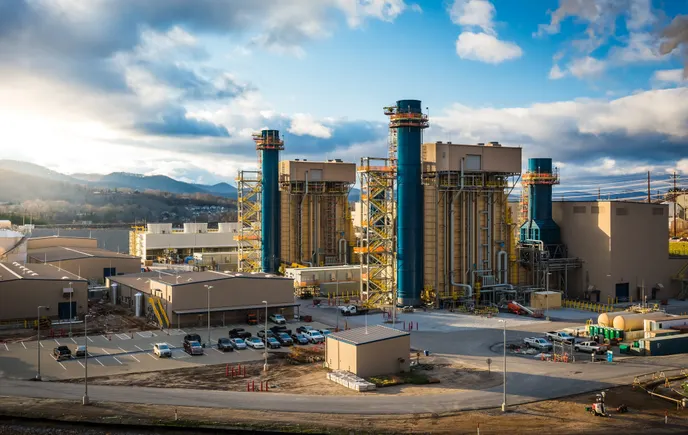
Duke Energy executives said on Tuesday (note: referring to the day of the earnings call) that the company is working to find affordable solutions for customers amid rising electricity demand and opposition to its $103 billion spending plan.
Company President and CEO Harry Sideris noted that Duke Energy recently launched a "customer protection plus" commitment to strengthen the requirement that large energy users pay for the cost of servicing their facilities, which could save existing customers billions of dollars in the long run. Sideris also revealed that the company is considering designing new rate structures to pass savings from large-load contracts back to existing customers directly through electricity bills, highlighting customer benefits.
According to Sideris, more than 5 gigawatts of new data centers are currently under construction across the six states Duke Energy serves, and the company has signed power service agreements totaling 7.8 gigawatts with data center customers. The company expects cumulative signed power service agreements to reach 15.4 gigawatts by the first half of 2027 and plans to build 15 gigawatts of new generation capacity by 2031 to meet that demand.
"To address this record demand and continue creating long-term value for customers, communities, and shareholders, we are executing the largest regulated capital plan in the industry, investing more than $1 billion per month," Sideris said. "We are highly focused on disciplined execution and responsible financial stewardship, because our top priority remains providing reliable power at the lowest possible cost to customers."
According to the company's earnings presentation materials, Duke Energy plans to build approximately 7.5 gigawatts of gas-fired generation and pair it with about 4.5 gigawatts of battery storage, but does not involve new nuclear construction. Sideris said the company plans to uprate and upgrade existing nuclear units, expecting to add 300 megawatts of capacity. However, he also emphasized that given ongoing negotiations with the federal government and other stakeholders, the company "cannot currently make a decision on new nuclear construction."
To fund the above plan, the company's presentation materials show that a total of $10 billion in common equity financing will be needed between 2027 and 2030. Sideris said the company has priced $600 million in at-the-market offerings so far this year, with the transaction settling by the end of 2027, to take advantage of "currently attractive pricing and reduce the risk of future equity financing needs."
"We are executing our strategy to capture growth opportunities, expand generation capacity, and work with stakeholders to achieve constructive regulatory outcomes that support critical investments while keeping costs as low as possible," he said.
Key figures at a glance
- $103 billion: Total five-year capital plan.
- 15 gigawatts: Planned new generation capacity by 2031.
- $1.1 billion: Additional revenue approved in the North Carolina rate case settlement.
Additionally, Duke Energy is evaluating the results of a study completed last month that explores the potential benefits of selling its 1,040-megawatt Cayuga coal plant in Indiana. Currently, the company plans to build a new 1.5-gigawatt gas plant at the site and retire the existing coal units once it is completed.
Duke Energy continues to advance the merger of its subsidiaries Duke Energy Carolinas and Duke Energy Progress. According to the company's quarterly Securities and Exchange Commission filings, the South Carolina Public Service Commission issued a written order approving the merger on June 3. Company officials did not discuss the merger during Tuesday's call.
In North Carolina, Duke Energy faces criticism. The company initially sought to increase additional revenue by approximately $1.7 billion through base rate increases in 2027 and 2028. Sideris said the company has negotiated a settlement under which North Carolina will approve $1.1 billion of its request. However, the proposed rate increases have also sparked calls to pause data center development.
Advocacy group NC Warn said in a letter to the governor that Duke Energy's testimony in two rate cases shows that electricity consumption in the state has declined despite population growth, that the company has exaggerated its growth forecasts, and that it is recruiting large-load customers to justify its spending plan. NC Warn wrote: "This is a scandal and a crime against the people of North Carolina, who are already struggling with soaring electricity bills, repeated storm damage, and the impact on communities of large data center developers that provide few jobs after initial construction."
In Indiana, Duke Energy also faces controversy over rate increases approved last year. The state's rate advocacy group alleges Duke Energy overcharged more than $89 million. Meanwhile, the Indiana Utility Regulatory Commission has undergone personnel changes, with Governor Mike Braun expressing dissatisfaction with recent rate increases and firing Andy Zay this week—after previously demoting him from commission chairman. Duke Energy maintains that its charges comply with the 2025 IURC order and noted in an email to Utility Dive that the commission has upheld its actions on the matter three times.
Sideris acknowledged the sensitivity of the issue, telling analysts that the company understands the governor's and commission's concerns about rising living costs. "Affordability is the top consideration," Sideris said.