
Regs

PJM Submits Backup Auction Proposal to FERC to Address Capacity Shortfall
PJM Interconnection submitted a backup auction plan to FERC on Friday, proposing to hold a one-time reliability backup auction from September 30 to October 21 to fill a 6.8-gigawatt capacity shortfall. The auction's total price cap is set at $555 million per megawatt-day, significantly higher than the $325 million per megawatt-day in the previous base auction. The plan also includes a bilateral trading coordination mechanism and relies on states to protect retail customers from cost shifts.

Leading the Agentic Grid Transformation: From Data Foundation to Enterprise-Level Intelligent Decision-Making
Utilities' years of investment in AMI, sensors, data platforms, and AI pilots have laid the foundation for grid modernization; the current challenge lies in transforming data into faster, more coordinated decisions across the enterprise. The Agentic Grid embeds AI into enterprise operations, enabling systems to continuously monitor, coordinate actions, and improve performance, while humans retain oversight and strategic decision-making responsibilities. This article provides industry leaders with a transformation roadmap: achieving improvements in resilience, efficiency, and customer outcomes through modernized decision models, establishing governance frameworks, purposefully scaling capabilities, and workforce readiness.
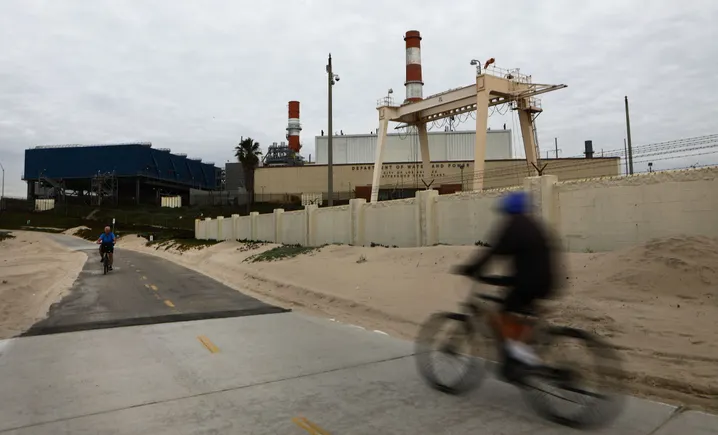
California's carbon pricing mechanism has raised $36.2 billion for climate projects
The California Air Resources Board (CARB) released its annual report, stating that its 'cap-and-invest' carbon pricing program has generated a total of $36.2 billion in climate investment funds since it began operating in 2013. Of this, $15.5 billion has been invested in 122 programs, supporting over 600,000 projects, with 76% of deployed funds directed toward disadvantaged and low-income communities. The report also shows that the program has resulted in a reduction of 130.5 million metric tons of carbon dioxide equivalent and saved approximately $44.4 billion in costs.
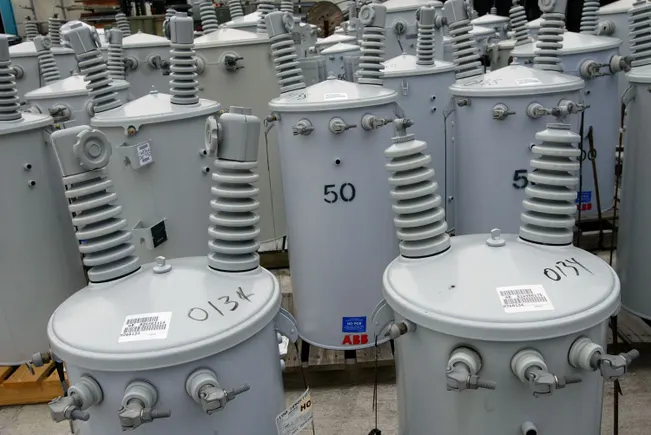
US Department of Energy Plans to Adjust Biden-Era Distribution Transformer Efficiency Rules, Utilities Express Concerns
The Trump administration is considering revising distribution transformer efficiency rules approved during the Biden era, which were originally set to take effect in 2029 and require greater use of amorphous steel. Utilities and manufacturers generally support the original rules but worry about supply chain issues, suggesting extending the compliance period rather than repealing them. Steel giant Cleveland-Cliffs supports the revision to protect its GOES product market.

Behind the New York Data Center Moratorium: Legislation May Affect Existing Facilities
New York Governor Kathy Hochul signed an executive order on July 14 suspending environmental permits for new hyperscale data centers (consuming 50 megawatts or more) for one year to develop a regulatory framework. The order differs in scope from the Responsible Data Center Development Act (A11560), passed by the state legislature but not signed, which could affect existing facilities. Analysis indicates that the executive order has no grandfather clause and depends on DEC permit status, while the bill includes exemption mechanisms.

PJM Board Proposes Reserve Capacity Auction and Data Center Load Shedding Plan
The PJM Interconnection Board issued a proposal on Monday to address a 6.8 GW capacity shortfall through a one-time reserve capacity auction and to establish a load shedding framework for large loads such as data centers without self-supplied power during emergency conditions. Both proposals are expected to be submitted to the U.S. Federal Energy Regulatory Commission (FERC) for review by the end of this month.

Section 205 of the Federal Power Act: State Governments Are Not Eligible to File
In the PJM Interconnection governance proceedings, OPSI proposed requiring PJM and its transmission owners to submit Section 205 filings of the Federal Power Act as directed by state governments. Former FERC Chairman Joseph Kelliher believes this proposal violates the law, as the court in Mass. DPU v. FERC established that the Section 205 filing right is exclusive to utilities, and state governments should express their concerns through the Section 206 complaint procedure.

US Energy Department Admits Canceling Clean Energy Grants Based on 'Political Identity,' Sparking Backlash
In court documents filed on July 15, the US Department of Energy admitted that the cancellation of 223 clean energy project grants (totaling $7.6 billion) in October 2025 was based entirely on the political affiliation of the recipients' states, rather than any project, regulatory, or performance factors. This 'striking admission' has drawn fierce criticism from Democratic lawmakers and environmental groups over the Trump administration's 'weaponization of the federal grant process.'
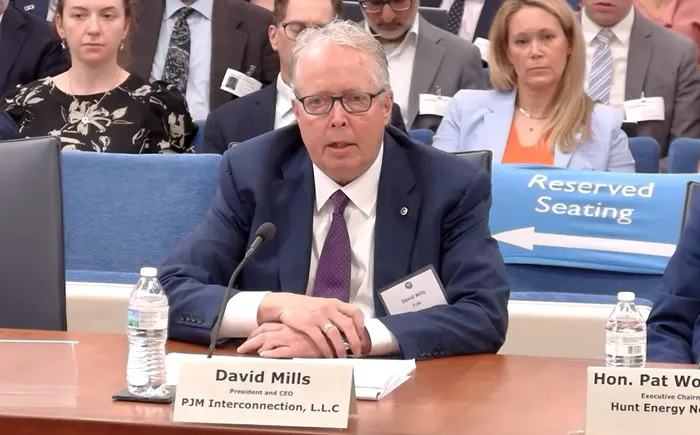
FERC Chairman Warns: If PJM Does Not Advance Governance Reform by End of September, Federal Regulators Will Intervene
FERC Chairman Laura Swett warned at a technical conference that if PJM does not reach a governance reform agreement by the end of September, FERC will enforce reforms. The meeting focused on governance deficiencies exposed by the capacity market, state participation rights, board independence, and stakeholder process reforms. Although consensus is emerging among parties, differences remain.
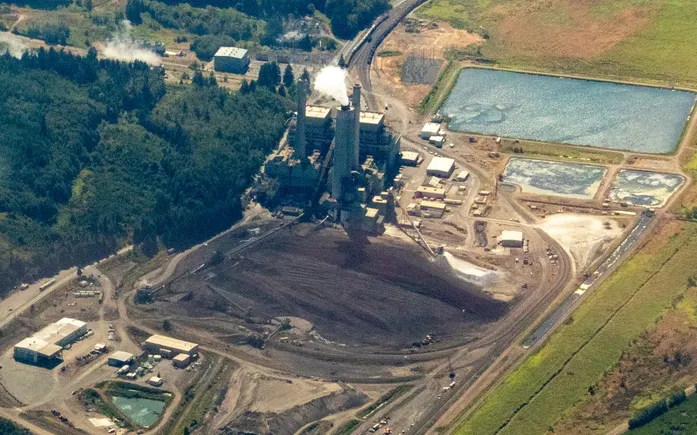
Public Citizen: U.S. Department of Energy's New Electricity Export Rule Contradicts 'Energy Emergency' Determination
On June 22, the U.S. Department of Energy issued a rule simplifying electricity export authorization. On July 21, Public Citizen filed for reconsideration, stating that the rule contradicts the 'energy emergency' determination under Section 202(c) of the Federal Power Act and undermines public participation and judicial review rights.