Deep Dive
来自我们记者的行业洞察
New cybersecurity industry coalition aims to lead US critical infrastructure protection
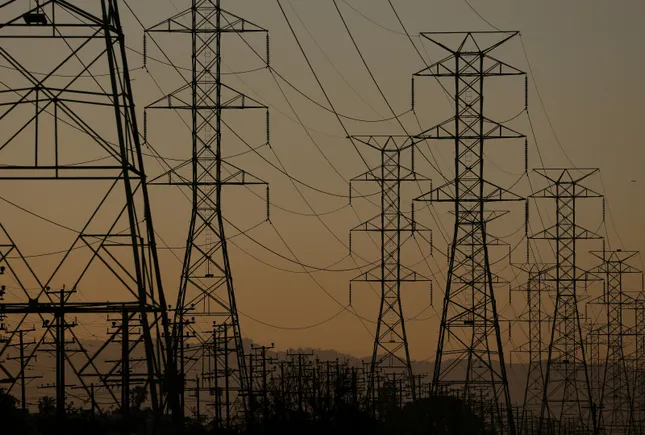
Amid declining confidence among U.S. critical infrastructure operators in federal government support, nine companies, including JPMorgan Chase, Mastercard, and AT&T, established the Critical Infrastructure Alliance (ACI) in February to enhance cross-industry cybersecurity risk coordination. Alliance Chairman Ben Flatgard stated that the private sector must proactively assume risk management responsibilities. Experts believe this move helps fill the coordination vacuum left by government absence, but the lack of federal intelligence and antitrust exemptions remains a challenge.
Will DOE’s ‘nuclear lifecycle innovation campuses’ solve the US nuclear waste problem?
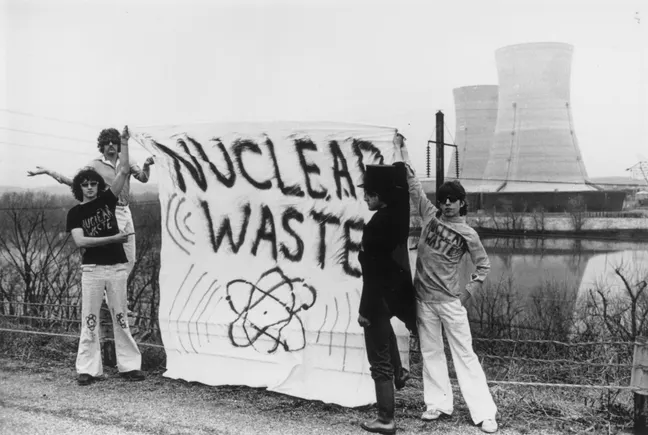
The U.S. Department of Energy (DOE) has launched the 'Nuclear Lifecycle Innovation Park' initiative, hoping states will voluntarily accept spent fuel and thereby drive industries such as advanced nuclear energy, power generation, and data centers. Although many states have responded positively, historical funding, policy, and practical challenges may still hinder the revival of U.S. nuclear energy. This article reviews the background of the initiative, reactions from various parties, and the challenges it faces.
As EV load grows, utilities use managed charging to harness flexibility, lower costs
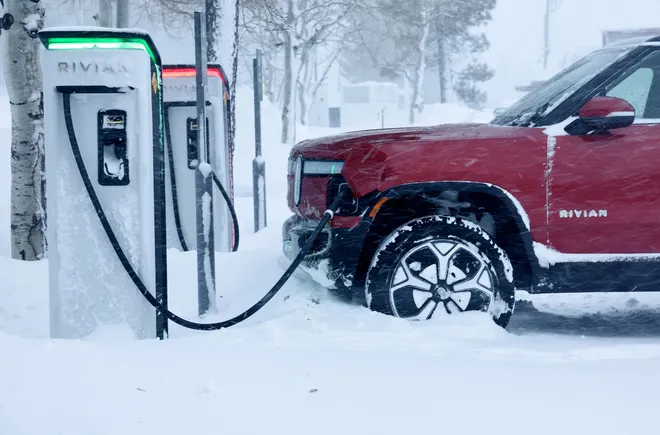
The 7.2 million electric vehicles in the U.S. are increasing the need for grid upgrades while also providing power companies with a lever to defer related expenditures. Utilities are partnering with third-party software vendors and automakers to expand controlled charging programs, dispersing charging loads and avoiding local system peaks, thereby postponing capital investments that would drive up electricity rates. Manufacturers such as General Motors, Ford, and Rivian are also collaborating with service providers like EnergyHub, WeaveGrid, and Chargescape to optimize customer experience. Despite federal policy shifts in 2025, EV sales have remained largely stable, with battery-electric vehicles estimated to hold a 5.2% share in March. The industry generally recognizes the significant potential of active controlled charging (V1G), but the absence of standardized data-sharing protocols remains a challenge for scaling.
DOE emergency orders for fossil plants complicate utility planning, experts say
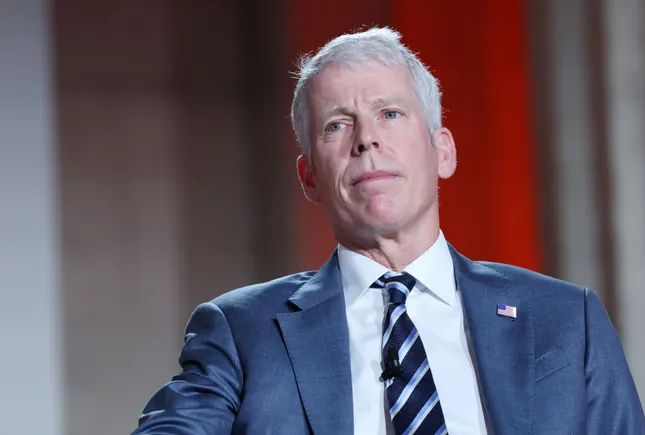
In 2025, the U.S. Department of Energy, under Section 202(c) of the Federal Power Act, issued emergency orders to at least 10 fossil fuel power generating units, requiring them to delay retirement. This action has sparked intense disputes among state governments, environmental groups, and utility companies over cost allocation, resource planning authority, and legal boundaries.
Utilities are spending billions on the data center boom. What are the risks?
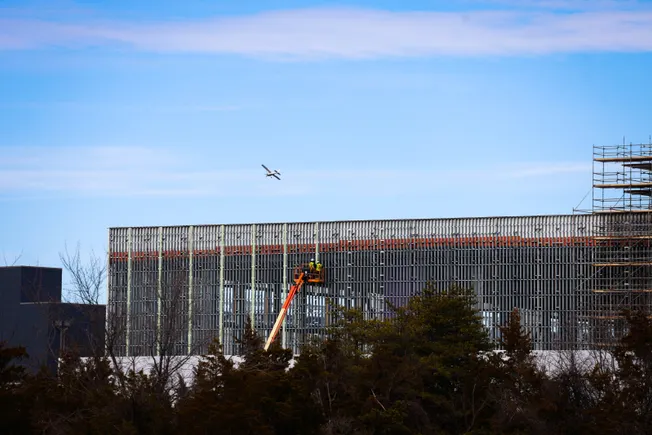
The data center construction boom in the United States is driving a surge in electricity demand, with utility companies investing billions in new infrastructure, but facing challenges such as demand uncertainty, customer credit risk, and rapid technological iteration. Experts warn that if the AI market experiences a correction, it could lead to stranded assets, and utility companies are managing risks through tools such as large-load tariffs and long-term contracts.
Drone attack simulation exposed a grid vulnerability, utilities say
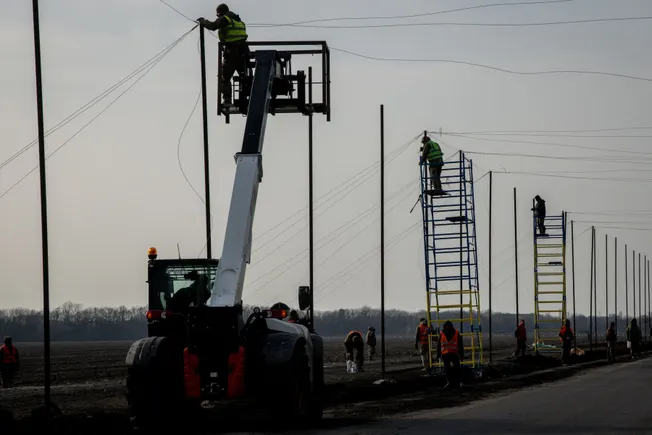
The GridEx VIII exercise assessment report released this week by the North American Electric Reliability Corporation (NERC) points out that U.S. electric facility owners and operators have "growing concerns" about their ability to protect against attacks by unmanned aircraft systems (UAS). The exercise simulated coordinated attacks by multiple drones on nuclear plant switchyards and substations, exposing ambiguities in federal regulations regarding drone detection and countermeasures. Industry experts and power companies state that, against the backdrop of the Department of Homeland Security's warning that Iran may launch retaliatory attacks, the grid urgently needs new technological tools and regulatory authorizations to address aerial threats.
VPP vs. VPP: Customer-owned DER aggregators challenge Xcel-owned batteries in Minnesota docket
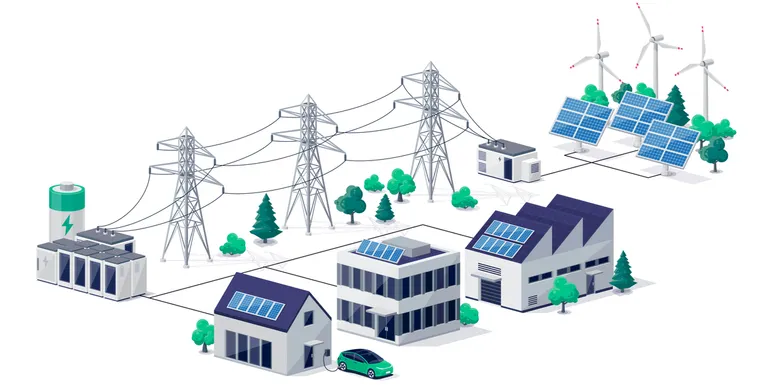
Xcel Energy's proposed Capacity*Connect (C*C) pilot project in Minnesota, which plans to deploy up to 200 megawatts of behind-the-meter batteries, has drawn strong opposition from customer-owned distributed energy resource aggregators. The debate centers on cost-effectiveness, market competition, and resource control, with a regulatory decision expected by mid-2026.
2026 FERC Outlook: Rising Costs Constrain Regulator's Options in Data Centers, Transmission, and More
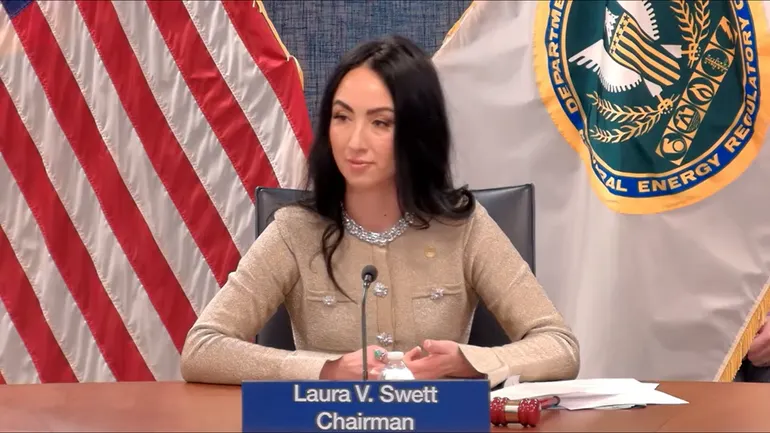
In 2026, under pressure from the Trump administration to accelerate data center development, the U.S. Federal Energy Regulatory Commission (FERC) must also address energy affordability and grid reliability challenges, and meet compliance deadlines for new transmission planning and cost allocation rules. This article analyzes key issues and stakeholder perspectives on FERC's handling of large-load grid connections, transmission planning compliance, and electricity market reforms.