
Deep Dive
来自我们记者的行业洞察
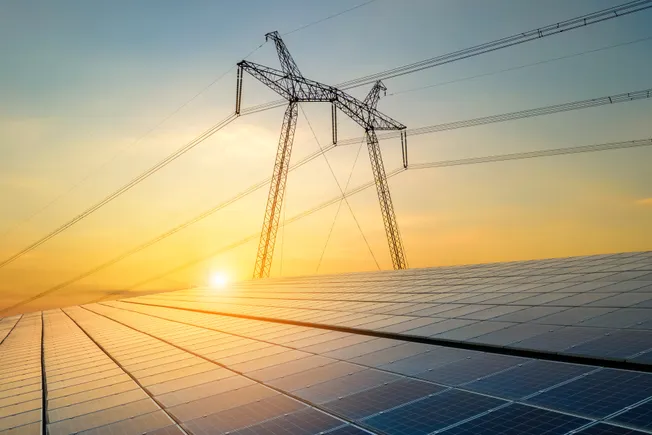
Planning Reform at Duke Energy and Arizona Public Service: Engaging Stakeholders to Address Emerging Power System Needs
As the energy transition deepens, traditional Integrated Resource Planning (IRP) faces challenges. An RMI report notes that by 2025, utilities covering 40% of U.S. electricity sales and over 90 million customers will submit IRPs involving investments exceeding $300 billion. Duke Energy Indiana has used stakeholder-driven planning adjustments to replace natural gas with solar and storage, while APS has opened its Aurora modeling tool to stakeholders to enhance transparency. Regulators and experts are calling for reforms to planning rules to address emerging needs.

Cybersecurity Architecture for New Power Systems: Countering Insider Attacks with a "Vault" Model
The digitalization of power systems and the expansion of distributed resources bring new cybersecurity challenges. Analysts believe that traditional firewalls and compliance measures are difficult to counter insider threats, requiring a shift toward zero-trust, multi-layered defense architectures, isolating core operational systems with a "vault" approach, and curbing intrusion spread through distributed grids.
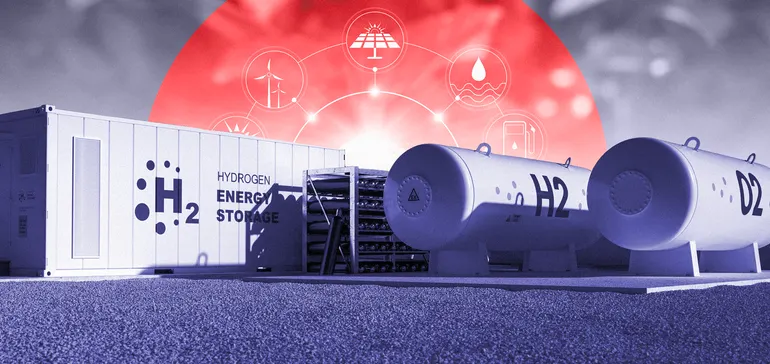
Analysts Urge 'No-Regrets' Planning Strategies for Large-Scale Batteries and Green Hydrogen Development
Although advanced long-duration energy storage batteries and green hydrogen are considered key resources for a net-zero emission energy system, they face multiple uncertainties such as commercialization timelines and policy incentives. Analysts suggest that regulators and utility companies should adopt 'no-regrets' planning strategies as early as possible to ensure the reliable operation of the future power system.

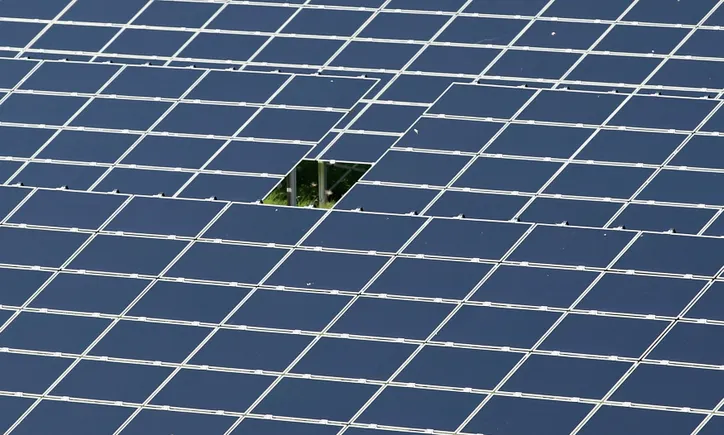
Solar demand expected to surge in 2023 due to Inflation Reduction Act, supply chain uncertainties remain
In 2022, except for residential solar, installation growth across all U.S. solar market segments declined year-over-year, mainly due to policy changes and global supply chain disruptions. In 2023, the industry still faces trade barriers and supply chain challenges, but tax credits from the Inflation Reduction Act are expected to stimulate domestic manufacturing and demand growth. Experts anticipate that supply chain issues may persist as the tariff moratorium expires in June 2024, but the long-term outlook is optimistic.
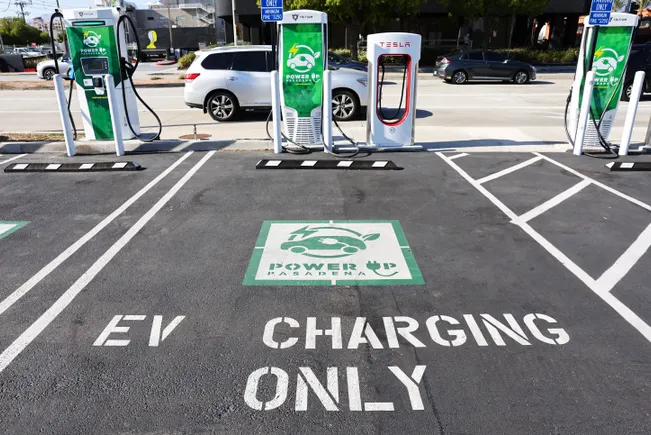
2023 ushers in a 'tipping point' for electric vehicles, but tax credit details and grid interconnection challenges remain
Electric vehicles' share of new car sales in the U.S. has risen from about 2% in 2020 to over 6% in the third quarter of 2022. Industry observers believe the sector may approach a 'tipping point' in 2023, but issues such as tax credit eligibility, allocation of national charging network funds, and utility interconnection delays will determine whether growth can be sustained.
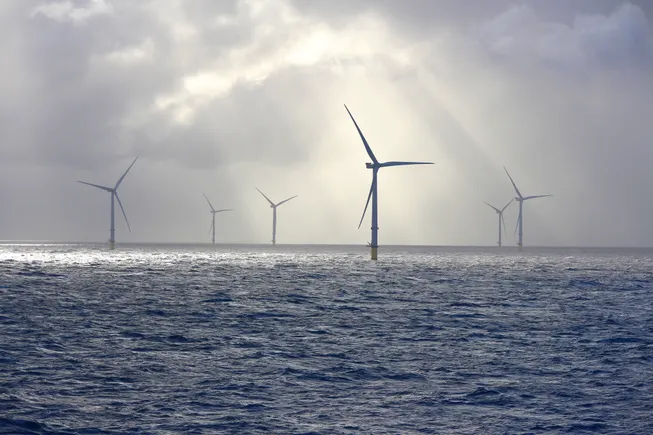
California's First Offshore Wind Auction: Experts Interpret the Signal of 'Cautious Progress'
The U.S. Bureau of Ocean Energy Management's first offshore wind lease auction in the Pacific fetched lower prices than comparable auctions on the East Coast, which experts say reflects uncertainty facing California's offshore wind industry but may benefit consumers in the long run.
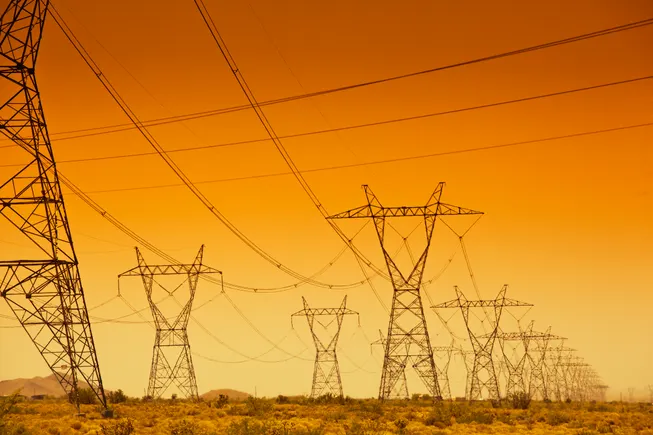
In 2022, the power grid was tested by heat waves and record loads. How should we respond in the future?
In 2022, power grids across many parts of the United States were tested by heat waves, record electricity demand, and tight supply-demand conditions, but avoided large-scale blackouts through a combination of policies and luck. Experts point out that climate change is normalizing extreme weather, posing long-term challenges to grid reliability. This article analyzes the response measures, effectiveness, and outlook beyond 2023 in California, Texas, and the Pacific Northwest.