
Dominion Offshore Wind Project Costs Rise by Nearly $300 Million More, Total Budget Climbs to About $11.7 Billion
Dominion Energy disclosed on Friday (July 31) that its total cost estimate for the Coastal Virginia Offshore Wind project has risen to approximately $11.7 billion, an increase of $288 million from April, due to PJM grid upgrade costs, Trump administration tariffs, and adjustments to turbine installation schedules. The project's completion date has been delayed from early 2026 to the end of 2027. Additionally, the company provided updates on its merger progress with NextEra Energy, its data center pipeline, and plans to sell non-regulated assets.
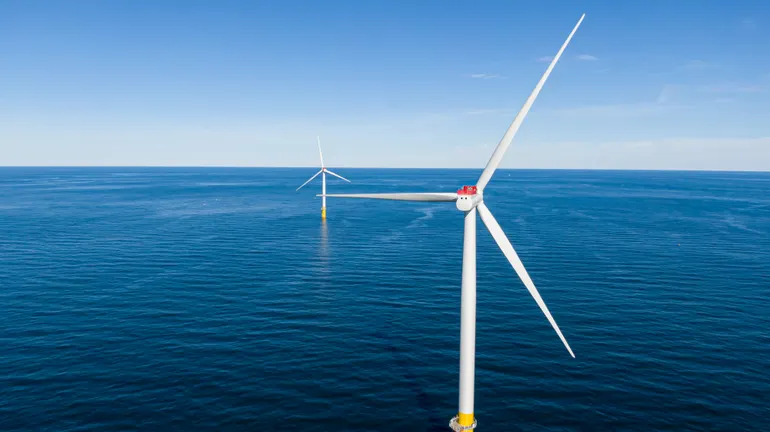
On July 31, Eastern Time, Dominion Energy updated the cost and schedule estimates for its 2.6 GW Coastal Virginia Offshore Wind (CVOW) project in its second-quarter 10-Q filing submitted to the U.S. Securities and Exchange Commission (SEC). The company stated that the total project cost is expected to be approximately $11.7 billion, an increase of nearly $300 million from the latest estimate announced in April.
Specific reasons for the cost increase include revised grid upgrade costs allocated by PJM Interconnection, tariffs imposed by the Trump administration in April, and an updated turbine installation schedule. Accordingly, Dominion expects all project work to be completed by the end of 2027, compared to the previous estimate of early 2026.
The Virginia-based company operates regulated utilities in Virginia and South Carolina and owns commercial power plants in other eastern states. This offshore wind update was disclosed alongside major items such as the data center pipeline, unregulated generation assets, and the proposed merger with NextEra Energy.
Key data at a glance
- $11.7 billion: Latest CVOW cost estimate, an increase of approximately $288 million from the first quarter
- Over 450 MW: Total generating capacity of installed CVOW turbines
- $2.25 billion: Credit amount customers will receive if the NextEra merger is completed
- 53.8 GW: Data center capacity in "various stages of contracting" as of July 2026, up 11% from December 2025
Rising offshore wind costs and expenses related to unregulated assets were among the factors weighing on Dominion's second-quarter earnings. Other drags included higher fuel costs and Dominion Virginia's "re-entry" into the PJM capacity market in June. The company reported second-quarter net income of $340 million, down from $760 million in the same period in 2025.
Next steps for the NextEra merger
Dominion said in its quarterly shareholder presentation on Friday that it will begin seeking state and federal approvals for the merger with NextEra Energy in the next quarter and could complete financial closing by the end of 2027. If the deal succeeds, the combined company would become the largest regulated utility in the United States, with 10 million customers and a 130 GW large-load interconnection pipeline. Dominion said its share of that pipeline has grown 11% since December.
"In the long term, customers and communities will benefit from a larger, more capable company that can more efficiently purchase, build, finance, and operate critical energy infrastructure," said Robert Blue, CEO of Dominion Energy, on Friday's earnings call.
The merger will face an early test this fall. Julien Dumoulin-Smith, senior equity analyst at investment bank Jefferies, noted that the review timeline at the Virginia State Corporation Commission is unusually tight. "An accelerated six-month Virginia regulatory review will give investors a clear picture in the coming months of whether the deal can be approved," Dumoulin-Smith said in a report to investors on Friday. He predicted that Dominion and NextEra would attempt to reach a settlement before the November 17 hearing begins.
Offshore wind cost and construction progress update
For Dominion investors, "seeing another offshore wind delay and cost increase is frustrating, but unfortunately not surprising," Dumoulin-Smith said last week.
Blue, however, was optimistic about project progress, noting that construction is 81% complete and "all types of components are in service and performing as expected." According to Dominion's investor presentation, the total generating capacity of turbines in operation exceeds 450 MW.
"In recent weeks, as we have set new demand peaks, we have done everything possible at the request of the system operator to deliver maximum power from CVOW," Blue said.
As in previous investor calls, Blue reiterated that Dominion expects CVOW to save customers approximately $5 billion in fuel costs over the first 10 years of operation.
Plans for unregulated assets and potential sale or retirement
In the SEC filing, Dominion said it agreed in May to sell a portfolio of unregulated solar assets in its Contracted Energy segment to Italian energy group Enel for $140 million, with the transaction expected to close by the end of 2026.
Dominion also said it expects to sell its unregulated renewable natural gas assets before their anticipated retirement dates, but did not provide a timeline or potential buyer information.
Dominion warned earlier this year that one of the two reactors at its 2,106 MW Millstone nuclear plant in Connecticut could retire in 2035 if it fails to secure new long-term power purchase contracts after existing contracts with Eversource and United Illuminating expire in 2029. In a March filing with Connecticut regulators, the company said one or more utilities or "well-capitalized counterparties" such as data center operators could support extending the license to 2055.
On Friday, Blue said Dominion expects Connecticut to decide soon whether to approve Millstone's bid to participate in the state's zero-carbon energy procurement, after which the company will begin negotiating contracts and submit them to state regulators. Blue said Dominion believes its bid would save Connecticut ratepayers $900 million over 10 years.
"We remain focused on achieving a constructive outcome for the facility, which has delivered significant value and lower electricity bills for Connecticut customers through existing contracts," Blue said.