
Storage
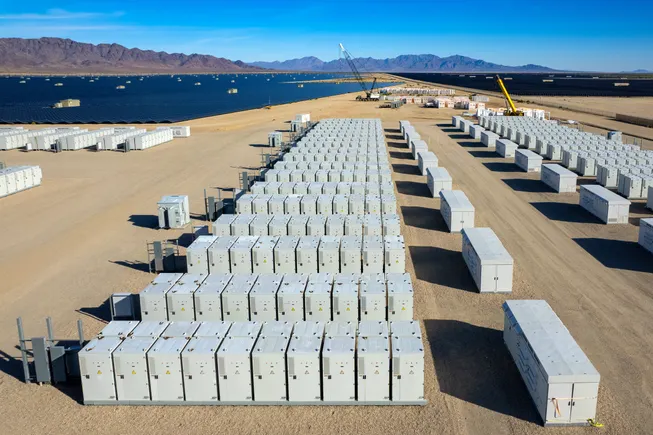
Trump grid order likely to cause energy storage delays, cancellations: BloombergNEF
BloombergNEF reported on Friday that the executive order signed by U.S. President Trump last week restricting foreign-made grid equipment may pose more significant near-term risks to the U.S. battery energy storage industry than to other sectors. The executive order, effective from August 26, will affect numerous grid-scale battery projects, and developers may face delays, redesigns, or cancellations.

Trump declares emergency, moves to block some foreign-made equipment from grid
U.S. President Trump signed an executive order on Wednesday declaring a national emergency to protect the U.S. bulk power system, aiming to prevent utility companies from connecting certain foreign-made equipment, including transformers, batteries, inverters, and related software and digital products, to the power grid. The order also considers replacing installed equipment and authorizes the Secretary of Energy to impose conditions on the use, operation, maintenance, servicing, or updating of foreign-made or operated grid equipment purchased or installed before the order takes effect. The White House stated that this targets foreign transactions posing risks of disruption, unauthorized access, or other interruptions, and does not involve distribution-level equipment. The Department of Energy must develop implementation rules within 120 days.
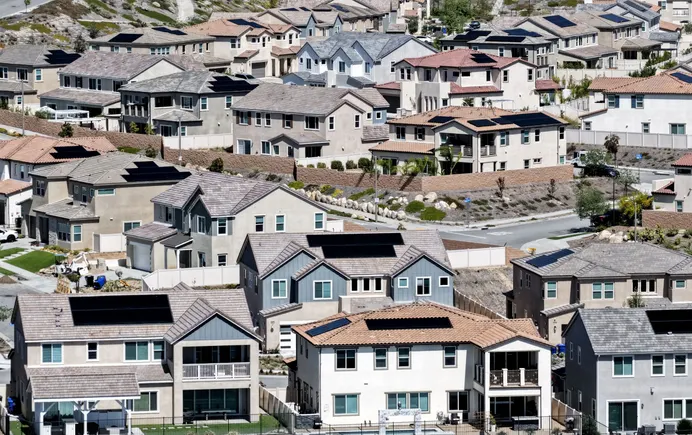
New Jersey seeks 150 MW of behind-the-meter storage to support VPP
The New Jersey Board of Public Utilities (BPU) proposed a procurement on August 17 targeting up to 150 megawatts of behind-the-meter storage capacity. Eligible customers of Atlantic City Electric, Jersey Central Power & Light, Public Service Electric & Gas, and Rockland Electric can receive compensation of up to $200 per kilowatt per year over a 10-year period for dispatching small battery storage during grid stress. This procurement is the first capacity block of the second phase of the 'Garden State Energy Storage Program,' aimed at helping the state deploy 2 gigawatts of storage capacity by 2030.
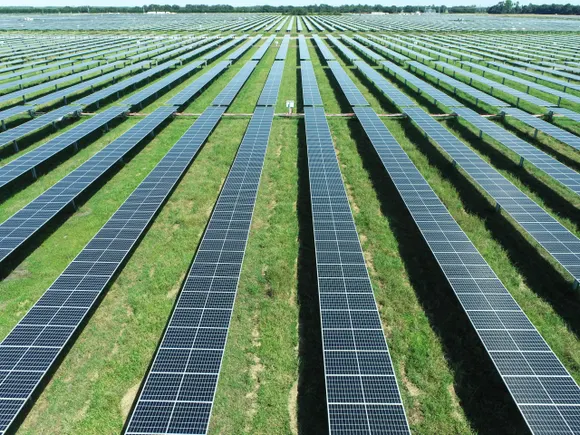
Duke’s Carolinas resource plan targets 18.5 GW new solar by 2041
Duke Energy filed its 2026 Carolinas Resource Plan on Monday, recommending 18.5 GW of solar, 14 GW of gas, 13 GW of storage, and 4.5 GW of new nuclear by 2041. The plan addresses significant regional growth, with winter peak projected to increase by more than 10 GW (about 30%). Gas additions include 8.2 GW combined cycle and 5.8 GW combustion turbines. Duke also seeks to extend nuclear licenses to 80 years and maintains a 1% annual energy efficiency savings target.
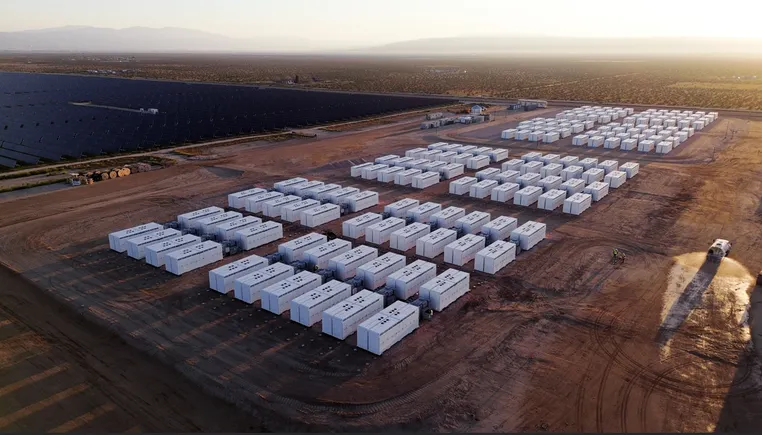
Northwest council proposes 11 GW of new generation, 5 GW storage by 2032
The Northwest Power and Conservation Council released a draft regional power plan on Wednesday, calling for 9 GW of renewables, 2.1 GW of natural gas, and 5.2 GW of energy storage by 2032. The plan, which targets a 50% near-term load increase driven by data centers, estimates $2.3 billion in fixed expenditures and will undergo public hearings before final adoption in late 2026 or early 2027.
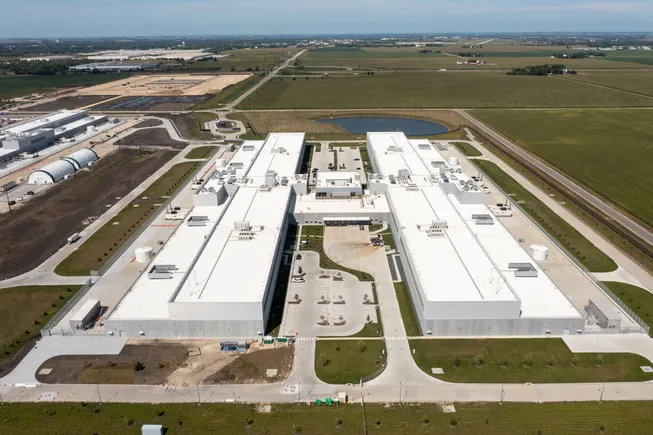
Exelon lowers high-probability data center load forecast by nearly 40%
Chicago utility Exelon said Thursday that its 'high-probability' data center load fell to about 11 gigawatts in the second quarter from 18 gigawatts at the end of last year, a decline of nearly 40%. The company is screening projects through transmission security agreements (TSAs) while advancing energy storage and efficiency projects to address capacity challenges in the PJM market.
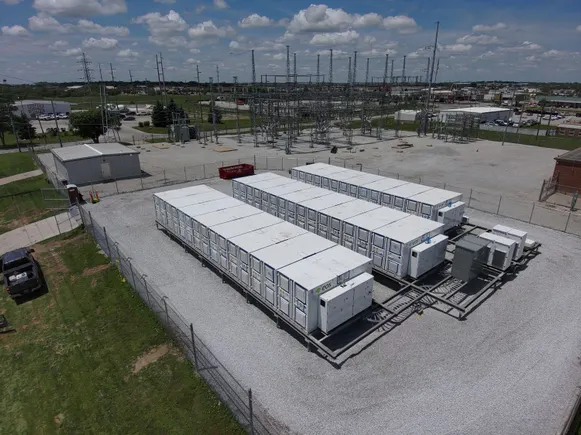
Nebraska 30MW Microgrid Introduces Non-Lithium Battery Energy Storage System
Lincoln Electric System (LES) is installing a 3MW/12MWh zinc-based battery energy storage system in its 30MW microgrid located in Lincoln, the capital of Nebraska. The system is expected to enter commercial operation within the next few weeks, increasing the microgrid's capacity by approximately 10%.
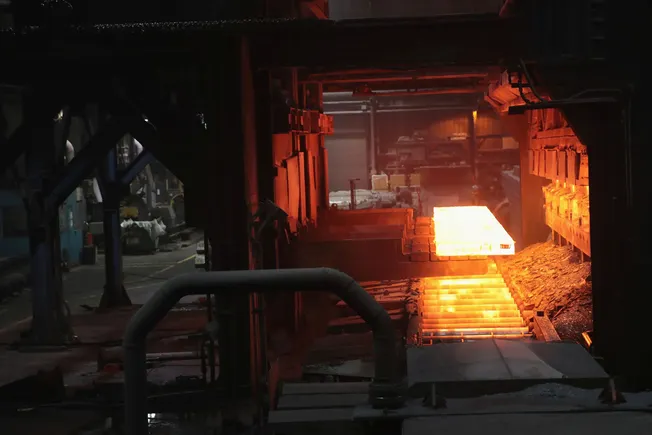
Renewable Energy and Energy Storage Technologies Can Meet One-Third of U.S. Industrial Heat Demand: Report
A new study from the University of California, Berkeley shows that by 2035, off-grid systems combining renewable energy, industrial heat pumps, and thermal energy storage could economically meet one-third of U.S. industrial heat demand. The study analyzed over 3,000 industrial sites and found that some regions are already cost-competitive, but face challenges such as reliability, investment, and space.

SRP to Submit Up to 1.7 GW Hybrid Energy Project Proposal to Board in September
Salt River Project (SRP) said on Tuesday that it plans to seek board approval in September for the development of the Marigold Energy Center, located about 45 miles south of Phoenix, encompassing 400 MW of battery energy storage, 600 MW of solar power, and up to 675 MW of natural gas generation, aimed at serving the growing electricity demand in Maricopa and Pinal counties in Arizona.
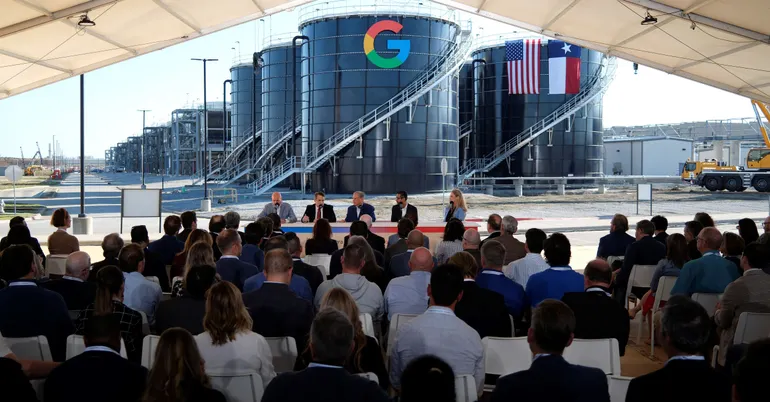
Google signs agreement for large-scale solar and storage project in Arkansas
Google announced on Tuesday an agreement with Cypress Creek Energy to participate as an anchor investor and offtaker in the Steel River Energy Center project. This project, the largest solar facility in the U.S., is located in Arkansas with a total scale of 2.5GW/2.9GWh, developed in three phases, with the first two phases bringing 1.6GW of solar and 1.9GWh of storage. Google also signed power purchase agreements for the first two phases and committed $5 million to local energy affordability programs.