
Opinion
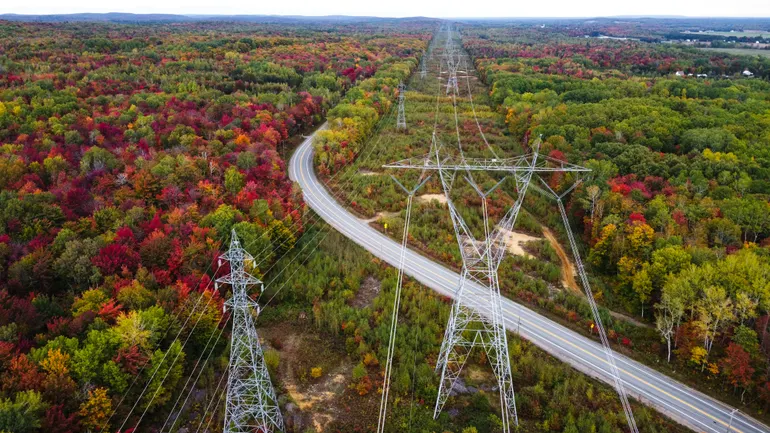
National Grid’s different gas-electric forecasts are responsible planning
In response to a recent Utility Dive opinion article claiming that utility companies use "conflicting" electricity and gas forecasts to inflate customer bills, Philip DeCicco, General Counsel of National Grid New York, writes a rebuttal, pointing out that the article misinterprets what the forecasts measure, whom they serve, and planning requirements, emphasizing that differences arise from varying customer bases and planning goals, and calling for fact-based discussions on the energy transition.

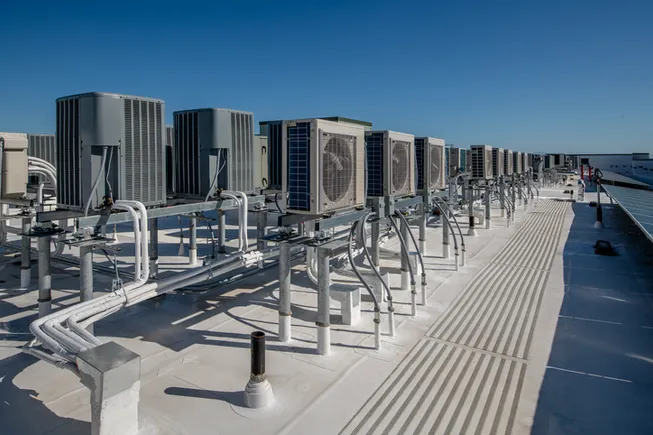
3 principles to make AI data centers good grid citizens
The rapid growth of AI data centers has raised concerns about power grid reliability. This article proposes three progressive principles: do no harm to the grid, provide flexibility under stress, and add resources to the grid. The authors argue that through battery support, flexible load control, and coordinated generation and storage, AI facilities can become good grid citizens and accelerate the commissioning of new infrastructure.
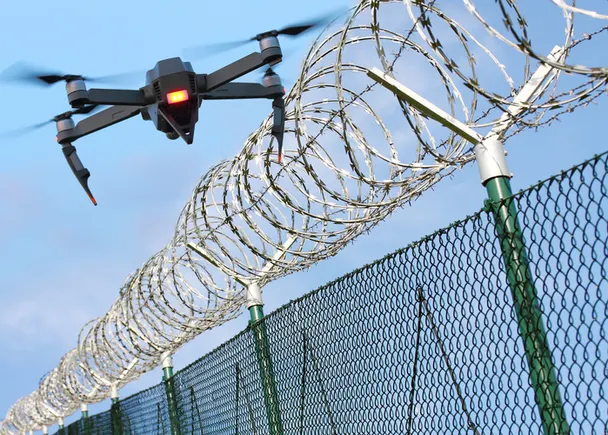
Drones are the next big security challenge for critical infrastructure
While drones enhance inspection efficiency for critical infrastructure, they also introduce airspace threats that existing security systems struggle to address. The article notes that physical security measures cannot cover airspace, only about 20% of flights comply with Remote ID, and operators need to leverage technologies like passive RF detection for comprehensive situational awareness and establish cross-agency collaborative response mechanisms to tackle increasingly severe airspace security challenges.
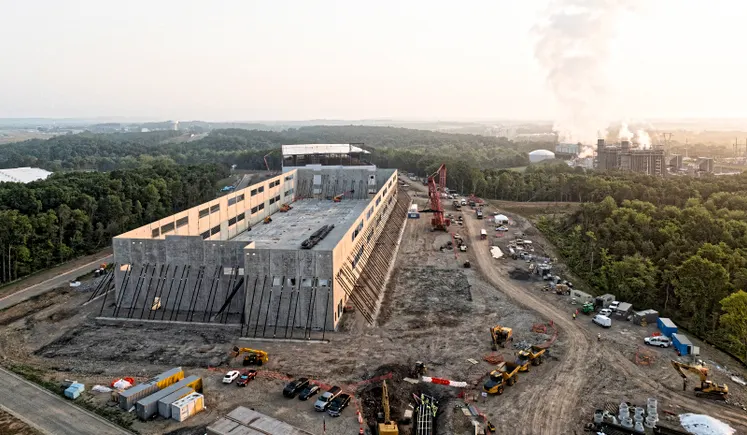
Data centers can vanish from the grid in seconds; reliability rules need to catch up
On July 22, 2026, a transmission disturbance in Northern Virginia caused over 3 gigawatts of data center load to switch to backup power within seconds. Although it did not impact reliability, it served as a wake-up call for grid operations. ERCOT records show eight similar incidents between 2020 and 2023, and the Irish grid also experienced four large-scale data center load reductions between 2022 and 2025. Industry experts call for establishing an operating framework for large loads that covers fault ride-through, model validation, real-time telemetry, and recovery processes. NERC and FERC have begun advancing the development of relevant standards.
Bills rise when utilities use conflicting forecasts to drive gas and electric investment
U.S. energy bills continue to rise, and utility companies' internal gas and electricity divisions use conflicting forecasts for investment planning, which could lead to duplicate construction and idle assets. Taking National Grid in New York State as an example, its electricity division forecasts over 30,000 new heat pumps by 2030, while the gas division plans to invest $550 million to support customer growth based on the assumption that electrification will stall. Experts point out that integrated gas and electricity planning is key to solving this problem.

Home buyers want more information on energy usage. Utilities can help.
一项由智能能源消费者合作组织、全国房地产经纪人协会及257公司联合开展的研究表明,超过80%的购房者认为能源效率重要,但仅34%的经纪人意识到这一点。公用事业公司可通过提供教育资源、工具和合作,填补信息缺口,促进节能技术应用。
Beyond the home meter: How utilities can eliminate the EV ‘renter’s penalty’
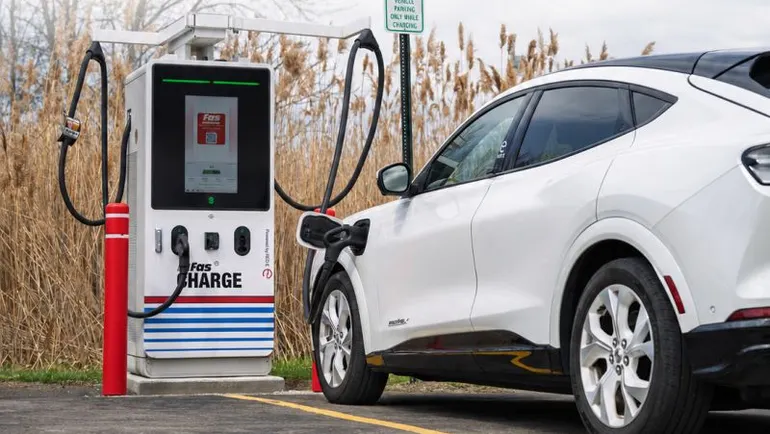
The cost advantages of EV charging are often out of reach for renters, who may face rates up to six times higher than residential electricity prices, creating a 'renter penalty.' Experts from GRID Alternatives and the Smart Electric Power Alliance point out that utilities should extend income-qualified discounts from fixed home meters to public and multi-family charging facilities, achieving portable affordability through customer account discounts, prepaid charging cards, or direct rate reductions. This not only promotes equity in transportation electrification but also improves grid utilization and electricity sales.

Colorado has provided the blueprint for integrating community power
Facing rising electricity prices and surging demand, Colorado has pioneered a Dispatchable Distributed Generation (DDG) program requiring large utilities to procure at least 50 megawatts of community solar paired with storage annually, using competitive procurement to evaluate projects' comprehensive value to the grid. This model, co-designed by multiple stakeholders, aims to accelerate deployment and reduce costs, providing a reference for other states.
The US infrastructure buildout needs more than capital
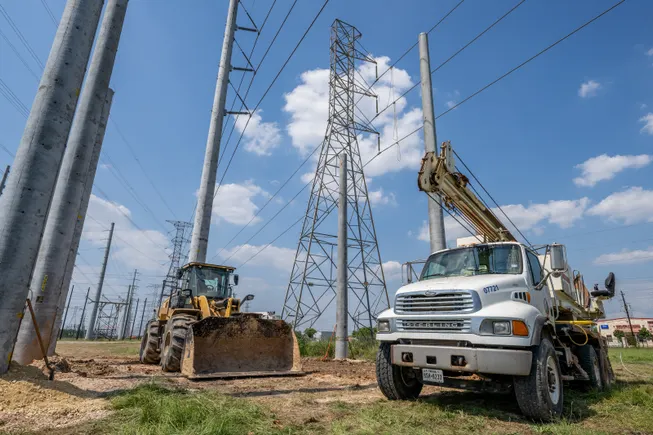
PwC projects that U.S. infrastructure investment needs will reach $32.7 trillion by 2050, with annual electricity spending rising from $153.2 billion in 2024 to $371.2 billion by 2050. However, abundant funding does not guarantee project success. This article proposes that infrastructure should be planned as an interconnected system, ensuring capital translates into long-term value through early coordination, financing discipline, flexibility, and policy clarity.
Competitive transmission delivers benefits for the AI economy and customers
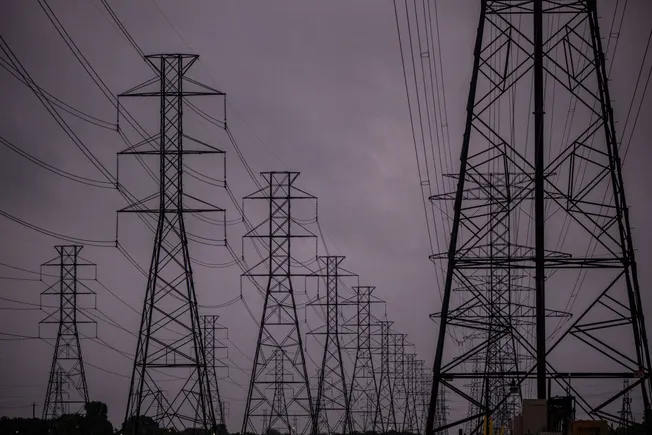
Facing an aging grid and surging demand, several traditional utility companies in MISO and SPP jointly petitioned FERC to suspend competitive transmission bidding for five years. However, the response from neutral operator MISO, multi-regional research by the R Street Institute, and multiple legal precedents all refute their claims of "delays and high costs." Data shows that competitive projects not only finish ahead of schedule and save approximately 30% in costs but also promote participation by non-incumbents and innovation. FERC's recent reform focus has been on large load interconnection rules rather than the competitive bidding system.