
Deep Dive
来自我们记者的行业洞察

PacifiCorp to suspend California energy efficiency programs under proposed settlement
PacifiCorp filed documents with the California Public Utilities Commission on Friday, agreeing to terminate all its ratepayer-funded energy efficiency programs in California in exchange for a 0.7% reduction in user rates. The company had attempted to retain and redesign these programs but ultimately reached a settlement with the CPUC's Public Advocates Office, planning to phase them out by January 1, 2026.

US-Canada trade war threatens electricity imports, prices
Trade tensions between the US and Canada have escalated again, potentially impacting the electricity sector. Canada has threatened to impose tariffs on electricity exports or halt exports entirely, which could affect electricity supply and prices in regions such as New England and New York.

Commonwealth Fusion Systems aims to complete demonstration reactor with $1B funding round
Commonwealth Fusion Systems in Devens, Massachusetts, announced on July 30 that it had secured $1 billion in new funding, bringing total funding to $4 billion. CEO Bob Mumgaard stated that the funds will be used to complete the SPARC demonstration reactor and advance the deployment of its ARC commercial power plant in Virginia. Investors include pension funds, sovereign wealth funds, and infrastructure companies, but only ENI and Google have publicly disclosed their identities.
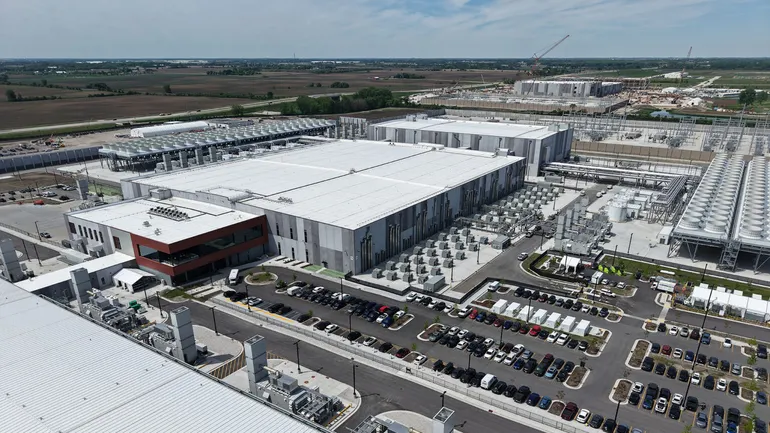
Microsoft, PowerHouse Hillwood dispute data center service agreements
In filings with FERC, Microsoft and PowerHouse Hillwood disclosed a dispute over the terms of agreements to serve their planned data centers. Microsoft argues that the agreement submitted by American Transmission Company (ATC) is flawed and could shift costs to ordinary customers; PowerHouse Hillwood, meanwhile, requests that FERC reject ComEd's cancellation notice, accusing it of abusing monopoly power.
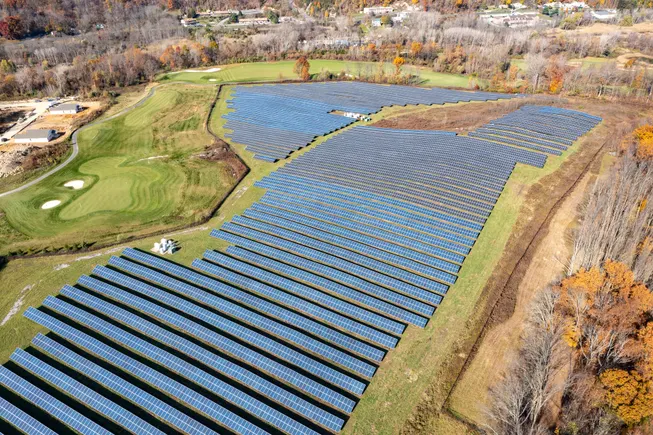
PJM eyes option to jumpstart surplus interconnection pathway
PJM Interconnection is taking a second attempt to streamline surplus interconnection service (SIS) after its 2025 reforms saw limited uptake. With only two of eight applications approved since 2023, PJM is now considering allowing hybrid resources to participate separately in energy and ancillary services markets. Industry experts and trade groups support the move, citing urgent capacity needs and successful models in MISO and SPP.
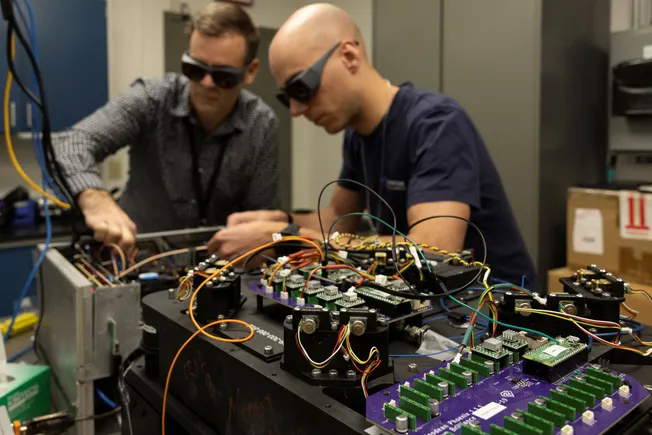

Utility profits in the crosshairs amid affordability concerns
Last month, protesters disrupted a meeting of investor-owned utility executives in Las Vegas, highlighting public anger over high electricity prices. As affordability concerns heighten political pressure, several states have begun to reduce utilities' return on equity (ROE) through regulatory or legislative means. Consumer advocates argue this is long overdue, while utilities warn that lowering ROE could affect their credit ratings, ultimately translating into higher costs for customers. Experts note that in a key rate case pending in Maryland, the positions of both sides are clearly defined.
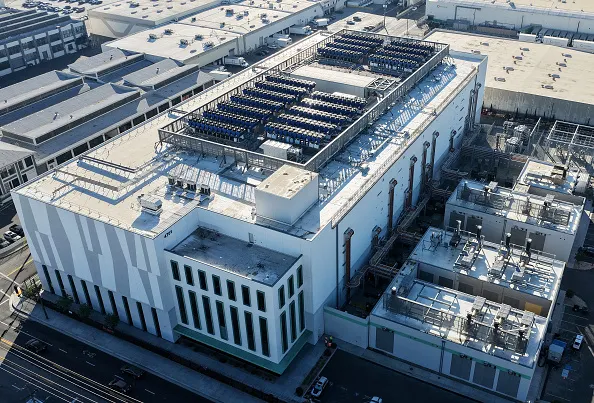
Data centers are ready to negotiate flexibility for speed
The U.S. faces an electricity affordability crisis, with surging power demand from AI data centers. FERC's June 18 order requiring system operators to provide transmission service for flexible large loads highlights the urgency of implementing data center load flexibility. Duke University research shows that a 1%-2% reduction in peak demand can lower electricity prices by 0.5%-2.8%. EPRI's FlexMosaic framework proposes five flexibility categories, and pilots such as Emerald AI demonstrate that flexibility can accelerate grid interconnection while ensuring reliability. However, the disagreement between utilities and data centers over control remains a key challenge.
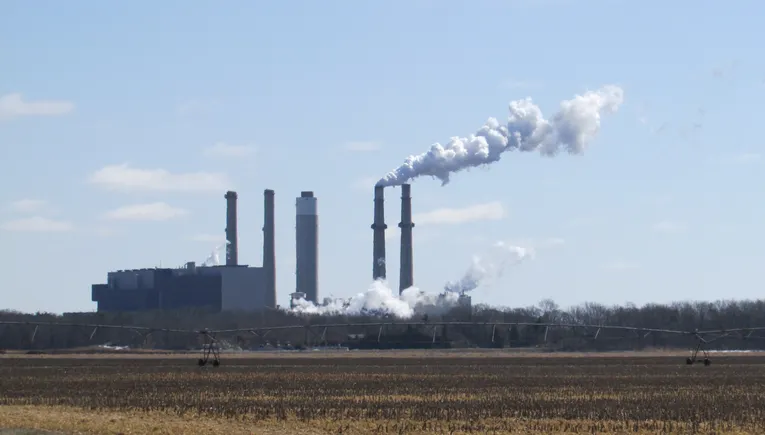
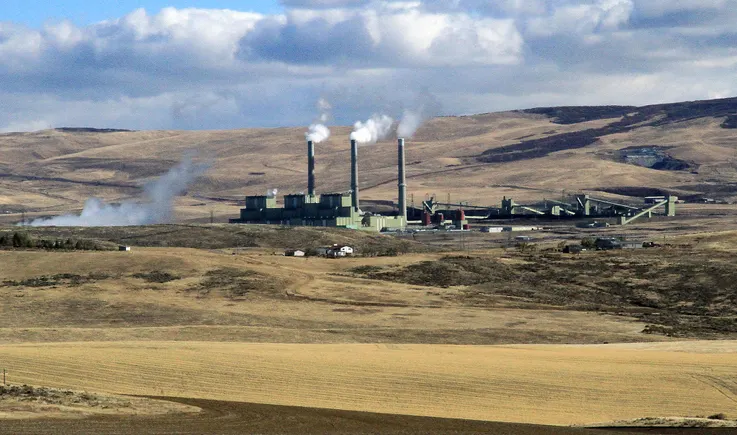
Power plants under DOE emergency orders are producing way less energy than before
Last year, the U.S. Department of Energy issued emergency orders under Section 202(c) of the Federal Power Act for 10 generating units across 6 power plants, requiring them to delay retirement to ensure grid reliability. However, data analysis by the Energy Information Administration (EIA) shows that most plants subject to the orders generated far less electricity than in the same period in previous years: the combined generation of 5 plants in the first quarter of this year fell by 65% compared to the same period last year, with one plant having never generated electricity since the orders took effect and another operating for only two weeks. Industry observers point out that aging plants, maintenance backlogs, and high compliance costs are the main reasons for the insufficient output, and some plant owners have filed lawsuits in court or requested the DOE to reconsider the orders.